Modernizing your data center involves upgrading cooling systems with liquid cooling and hot aisle/cold aisle containment to improve thermal efficiency and prevent hotspots. Implementing smart power management with scalable UPS and renewable energy sources helps reduce waste and operational costs. Combining hardware consolidation, virtualization, and automation enhances overall efficiency and resilience. If you want to discover how these strategies can optimize your infrastructure, continue exploring the key approaches to data center modernization.
Key Takeaways
- Implement advanced cooling techniques like liquid cooling and containment to optimize thermal management and reduce energy waste.
- Deploy scalable UPS and intelligent PDUs for reliable backup power and efficient power distribution.
- Utilize hardware consolidation, virtualization, and software-defined infrastructure to streamline operations and enhance efficiency.
- Incorporate renewable energy sources and intelligent monitoring tools to lower environmental impact and improve resource management.
- Adopt a continuous modernization approach with automation, scalability, and data-driven insights for sustained operational excellence.

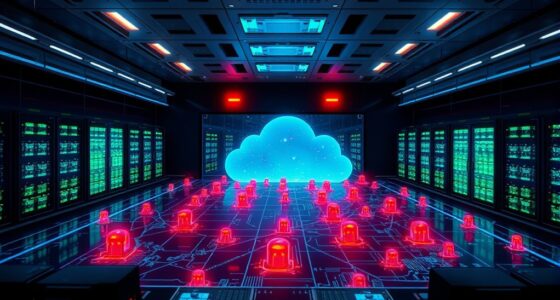
Are you ready to transform your data center for the digital age? Modernization is essential to stay competitive, improve efficiency, and reduce operational costs. One of the most critical aspects of this transformation involves upgrading your cooling systems. Traditional air conditioning methods often waste energy and struggle to handle the heat generated by dense server racks. By adopting advanced cooling techniques like liquid cooling or hot aisle/cold aisle containment, you can significantly cut energy consumption and maintain ideal operating temperatures. These systems direct cool air precisely where it’s needed, minimizing airflow waste and preventing hotspots that could damage equipment. Implementing intelligent cooling controls allows you to dynamically adjust cooling levels based on real-time server loads, further enhancing efficiency. This not only reduces power consumption but also extends equipment lifespan by maintaining stable temperatures. Additionally, integrating modern cooling methods can further optimize thermal management and energy use.
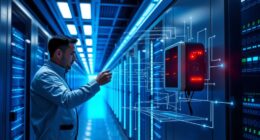
Power management is another essential component in data center modernization. Relying solely on traditional power distribution methods can lead to inefficiencies and increased downtime during outages. You should consider deploying uninterruptible power supplies (UPS) with scalable capacity and integrating intelligent power distribution units (PDUs) that monitor and optimize power flow. These systems help identify power usage patterns, enabling you to allocate resources more effectively and avoid over-provisioning. Additionally, incorporating renewable energy sources like solar or wind can lessen your environmental impact and lower energy costs over time. Power management isn’t just about backup systems; it’s about designing a resilient, flexible infrastructure that adapts to your evolving needs. Smart monitoring tools allow you to analyze power consumption trends, identify inefficiencies, and implement corrective measures proactively. This approach guarantees your data center remains operational during outages and reduces waste, saving you money and supporting sustainability goals.
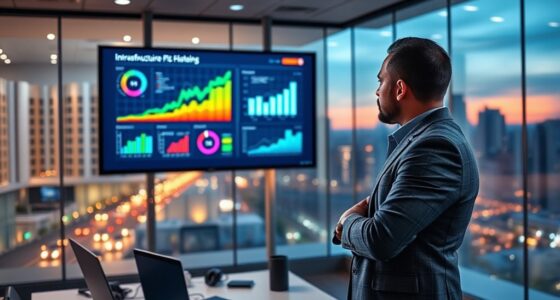
Efficiency gains come from a combination of these upgrades and adopting a holistic approach to modernization. Consolidating hardware, virtualizing servers, and moving toward software-defined infrastructure streamline operations and reduce physical footprint. High-efficiency power supplies and cooling systems are essential, but so is continuous monitoring. Using data analytics, you can identify patterns, predict failures, and optimize resource utilization. Automation tools can help orchestrate these improvements seamlessly, minimizing manual intervention and errors. Embracing modular designs and scalable solutions prepares your data center for future growth, avoiding costly overhauls down the line. Ultimately, modernization isn’t a one-time project; it’s an ongoing process of refinement, driven by technological advances and changing business needs. By prioritizing efficient cooling, smarter power management, and operational excellence, you position your data center to thrive in a fast-paced digital world.
Frequently Asked Questions
How Do I Evaluate the ROI of Modernization Investments?
You evaluate the ROI of modernization investments by comparing the cost savings and efficiency gains to your initial expenses. Track reductions in energy consumption, maintenance costs, and downtime, then calculate how quickly these savings offset your investment. Consider intangible benefits like improved reliability and scalability. Use analytics tools to gather data, and regularly review your metrics to guarantee your modernization efforts deliver measurable financial and operational improvements.
What Are the Latest Trends in Sustainable Data Center Cooling?
Imagine your data center as a thriving forest, where cooling methods are the gentle rain nurturing growth. The latest trends focus on liquid cooling, which acts like deep roots, efficiently removing heat at its source. You’re also adopting free-air cooling, like a cool breeze, reducing energy use. Combining these natural-inspired solutions helps you achieve sustainability, lower costs, and boost overall efficiency—transforming your data center into a resilient, eco-friendly ecosystem.
How Can I Ensure Compliance With Evolving Data Regulations?
To guarantee compliance with evolving data regulations, stay informed about new laws and industry standards through regular training and updates. Implement robust data governance policies and conduct frequent audits to identify and address compliance gaps. Use automated tools for monitoring data handling practices, and document all processes thoroughly. Collaborate with legal and compliance experts to adapt your data management strategies proactively, ensuring continuous adherence to regulatory requirements.
What Are Common Pitfalls During Data Center Upgrades?
Think of your upgrade as steering a ship through changing seas. Common pitfalls include neglecting thorough planning, which leads to unforeseen storms, and underestimating hardware compatibility, causing delays. You might overlook scalability needs, leaving your data center stranded when growth hits. Failing to train staff on new systems can cause turbulence. Avoid these by detailed planning, testing, and ensuring your team is prepared, steering your upgrade smoothly to success.
How Do I Choose the Right Power Management Solutions?
You should evaluate your data center’s current power needs and future growth plans to choose the right power management solutions. Focus on scalable, energy-efficient systems that integrate seamlessly with your existing infrastructure. Consider features like real-time monitoring, automated load balancing, and redundancy to guarantee reliability. Consulting with vendors and analyzing your energy consumption patterns will help you select solutions that optimize efficiency and reduce costs effectively.
Conclusion
Think of your data center as a thriving city. By upgrading your cooling, power management, and efficiency, you’re like a skilled city planner, ensuring smooth traffic flow and a healthy environment. When you modernize, you create a resilient metropolis that can grow and adapt, avoiding gridlock and blackouts. Keep nurturing this city with innovation, and watch it flourish—powering your future with strength, agility, and sustainability. Your data center’s success depends on your vision and care.