
TL;DR
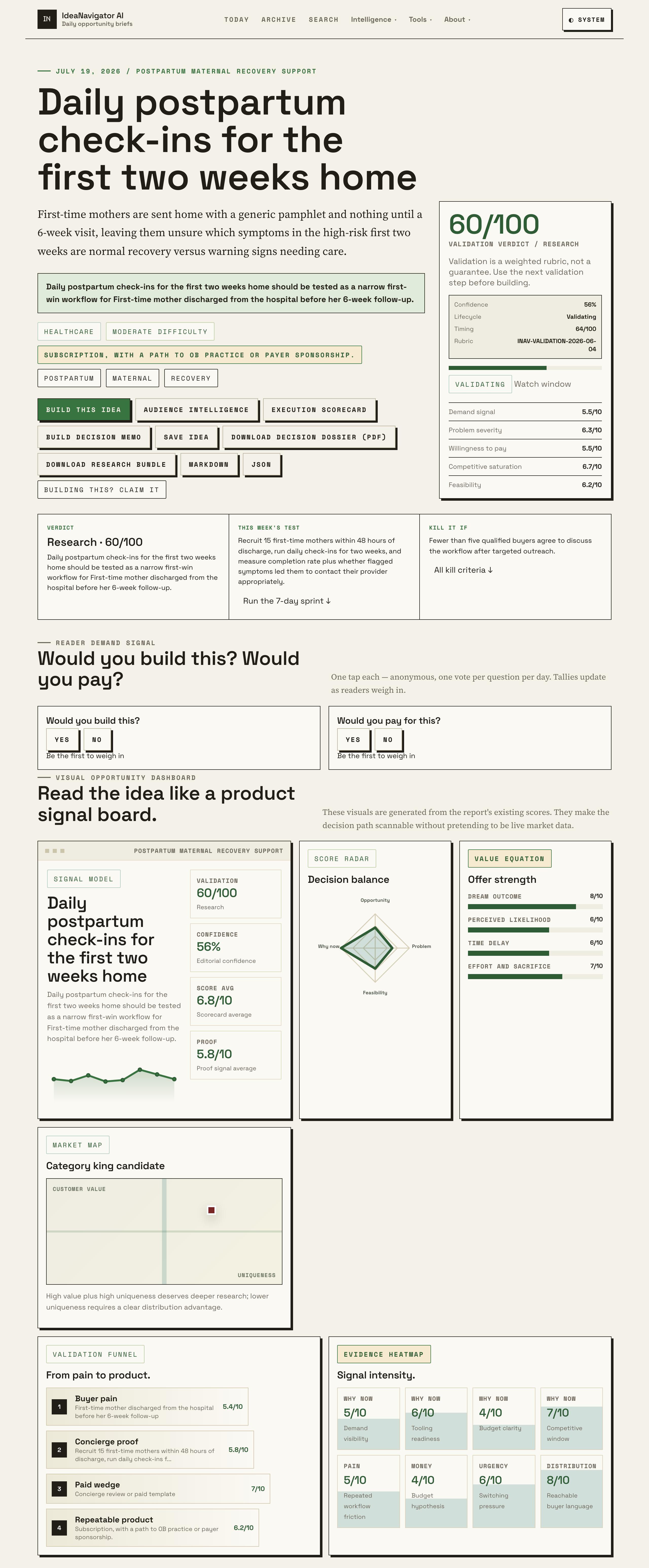
Researchers are testing daily postpartum check-ins for first-time mothers discharged early. This method aims to improve recovery, identify warning signs, and reduce postpartum complications. The approach is currently in pilot testing with promising early results.
Early results from a pilot program suggest that daily postpartum check-ins for first-time mothers discharged within two weeks of delivery can improve recovery outcomes. This initiative aims to address gaps in postpartum care, which often leave new mothers unsure about normal versus warning symptoms during a critical period.
The program involves recruiting 15 first-time mothers within 48 hours of hospital discharge. Participants receive daily check-ins via a smartphone app, which collects data on recovery progress, mental health, and feeding methods. The check-ins deliver tailored tips and prompt mothers to contact healthcare providers if symptoms indicate potential complications.
According to an anonymous researcher involved in the pilot, this approach aims to fill the gap between hospital discharge and the traditional 6-week follow-up, which often leaves mothers without guidance during the most vulnerable period. The check-ins are designed to surface warning signs early, potentially reducing emergency visits and improving overall recovery.
Potential to Transform Postpartum Care
This approach could significantly improve maternal health outcomes by providing continuous, personalized support during the critical first two weeks after birth. It may reduce postpartum complications, lessen anxiety for new mothers, and optimize resource use in healthcare systems. The model also offers a scalable, technology-driven solution aligned with increasing maternal health awareness campaigns.
As an affiliate, we earn on qualifying purchases.
Addressing the Postpartum Care Gap
Current postpartum care primarily relies on a single follow-up appointment at six weeks, leaving a high-risk period of two weeks where mothers often feel unsupported. Maternal health campaigns emphasize the dangers of this gap, which can lead to delayed recognition of complications such as infections, hemorrhage, or mental health crises. Smartphone-based interventions are increasingly viewed as feasible tools to bridge this care gap, especially amid rising awareness of postpartum risks.
“Daily check-ins could provide the continuous support new mothers need during the vulnerable first two weeks, potentially reducing complications and improving recovery.”
— an anonymous researcher
mother and baby health monitoring device
As an affiliate, we earn on qualifying purchases.
As an affiliate, we earn on qualifying purchases.
Unclear Long-Term Effectiveness and Scalability
It is not yet confirmed whether this pilot will demonstrate significant improvements in health outcomes or whether the approach can be scaled effectively across diverse populations. Longer-term data and larger sample sizes are needed to validate efficacy and cost-effectiveness.
As an affiliate, we earn on qualifying purchases.
Next Steps in Pilot Evaluation and Expansion
The pilot program plans to recruit additional participants, monitor outcomes over the coming months, and analyze whether daily check-ins lead to increased healthcare contact when needed. If successful, the approach could be expanded into broader clinical trials and integrated into postpartum care protocols, with potential sponsorship from healthcare providers or insurers.
As an affiliate, we earn on qualifying purchases.
Key Questions
How do daily postpartum check-ins work?
Participants receive daily prompts via a smartphone app that assess recovery, mental health, and feeding status. The app provides tailored advice and alerts mothers to contact their healthcare provider if certain symptoms are flagged.
What symptoms are monitored during these check-ins?
The check-ins monitor symptoms such as pain levels, bleeding, signs of infection, mood changes, and feeding issues, among others.
Is this approach suitable for all new mothers?
The pilot specifically targets first-time mothers discharged early, but the model could be adapted for broader use depending on outcomes.
What are the costs associated with implementing daily check-ins?
The program is designed to operate on a subscription basis, with potential sponsorship from healthcare providers or payers to offset costs for users.
When will results from the pilot be available?
Initial results are expected within the next few months as data collection continues and analysis progresses.
Source: IdeaNavigator AI