
Many business leaders overlook how vital long-term planning is when choosing AI infrastructure. You might focus on short-term solutions that seem efficient but can cause bottlenecks as your data and demands grow. Rigid systems and vendor lock-in can limit your flexibility and increase future costs. By prioritizing scalable, adaptable options today, you’ll position your organization for sustained growth and innovation. Stay with us to discover how to make smarter infrastructure choices that truly support your AI strategy.
Key Takeaways
- Business leaders often overlook the importance of scalable, flexible infrastructure to support long-term AI growth.
- Many underestimate vendor lock-in risks and the benefits of multi-cloud or hybrid solutions.
- Short-term cost savings can lead to costly upgrades and disruptions later if scalability isn’t prioritized.
- Infrastructure choices significantly impact AI strategy, agility, and competitive advantage over time.
- Failing to incorporate industry trends and best practices can result in outdated, inflexible systems hindering future innovation.

Have you ever wondered how business leaders are shaping the future with AI infrastructure? It’s tempting to focus on the immediate benefits—faster data processing, smarter decision-making, and competitive advantages. But beneath these surface-level gains lie critical considerations that many overlook. One of the biggest is understanding the true implications of your infrastructure choices, especially when it comes to scalability challenges and vendor lock-in. These factors can make or break your ability to grow and innovate over the long term.
When you think about scaling your AI systems, it’s easy to get caught up in short-term solutions that seem efficient now. However, many leaders underestimate how quickly scalability challenges can emerge as your data volume and user demands increase. Rigid infrastructure can bottleneck your growth, forcing you into costly upgrades or complex migrations down the line. If your setup isn’t designed for flexibility, you risk facing delays that cripple your ability to respond swiftly to market changes or new opportunities. Recognizing this early helps you choose solutions that are adaptable, ensuring your AI infrastructure can handle future expansion without significant disruptions. Considering the importance of long-term planning in infrastructure investments can further safeguard your growth trajectory. Additionally, understanding the various technology options available can help you select infrastructure that aligns with your scalability needs. Staying informed about global market trends can also inform your infrastructure decisions, ensuring you stay competitive in a rapidly evolving landscape. Incorporating insights from industry best practices can further optimize your infrastructure strategy and mitigate unforeseen risks.
Another often-overlooked aspect is vendor lock-in. You might be drawn to a particular cloud provider or AI platform because it offers quick wins or familiar tools. But once you’re locked into a vendor’s ecosystem, your options become limited. Switching providers later can be prohibitively expensive and technically complicated, forcing you into a position where you’re beholden to a single vendor’s roadmap and pricing. This dependency can stifle innovation and flexibility, making it difficult to pivot when your business needs change. Smart leaders understand that building a multi-cloud or hybrid infrastructure can mitigate these risks, giving you more control and negotiating power over your AI investments. It’s also essential to evaluate the flexibility of vendor solutions before making a commitment. Ultimately, many business leaders miss how these choices ripple through their entire AI strategy. It’s not just about deploying the latest technology but about designing an infrastructure that supports sustainable growth and adaptability. If you ignore scalability challenges or fall into the trap of vendor lock-in, you could find yourself facing costly setbacks, limited agility, and diminished competitive edge. Instead, those who plan with foresight recognize that investing in flexible, interoperable solutions now pays off in the future, allowing your organization to innovate freely and scale seamlessly. The future belongs to those who understand the deeper layers of AI infrastructure, not just the immediate wins.
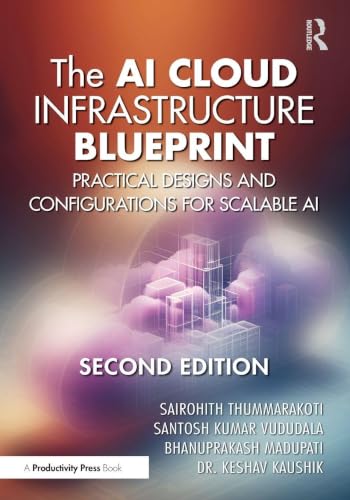
The AI Cloud Infrastructure Blueprint: Practical Designs and Configurations for Scalable AI
As an affiliate, we earn on qualifying purchases.
As an affiliate, we earn on qualifying purchases.
Frequently Asked Questions
How Do AI Infrastructure Choices Impact Long-Term Scalability?
Your AI infrastructure choices directly impact long-term scalability, as inadequate or inflexible setups can lead to scalability challenges down the line. By opting for scalable, adaptable solutions, you guarantee your systems can grow with your needs. Focusing on future-proofing strategies helps you avoid costly overhauls, enabling seamless expansion and maintaining performance. This proactive approach keeps your AI initiatives agile and resilient, supporting sustained growth and innovation over time.
What Are Hidden Costs Associated With AI Infrastructure Options?
You might overlook hidden costs like ongoing maintenance, data transfer fees, and licensing expenses, which can eat into your budget. Poor cost optimization strategies can lead to overspending, especially if you’re locked into a vendor’s ecosystem, limiting flexibility and increasing long-term costs. Be aware of these hidden expenses, compare vendor pricing models carefully, and prioritize scalable, flexible infrastructure options to avoid unexpected financial burdens down the road.
How Does AI Infrastructure Influence Data Security and Compliance?
AI infrastructure directly impacts your data security and compliance. You need to guarantee robust data encryption to protect sensitive information from breaches. Additionally, implementing strict access controls limits who can view or modify data, helping you meet regulatory standards. Failing to prioritize these security measures could lead to costly penalties and damage your reputation. Consequently, choosing infrastructure that supports strong security features is vital for maintaining trust and compliance.
What Skills Are Essential for Managing AI Infrastructure Effectively?
You need a mix of technical and strategic skills to manage AI infrastructure effectively. Data engineering, cloud computing, and cybersecurity are essential, especially as 60% of organizations face training challenges. Talent acquisition remains tough, with high demand for specialists in AI and machine learning. Staying updated on evolving tools and collaborating across teams helps you guarantee your infrastructure supports scalable, secure, and compliant AI solutions.
How Do Infrastructure Choices Affect AI Model Deployment Speed?
Your infrastructure choices directly impact AI model deployment speed through factors like model optimization and hardware compatibility. When you select the right hardware, such as GPUs or TPUs, it accelerates processing and reduces deployment time. Ensuring compatibility allows seamless integration, avoiding delays caused by technical issues. Prioritizing these aspects helps you deploy models faster, making your AI solutions more efficient and responsive to business needs.

Ultimate CI/CD for Platform Engineering: Master DevOps Pipelines, GitOps, DevSecOps, Infrastructure as Code, Multi-Cloud Deployment, and AI-Driven Delivery Automation (English Edition)
As an affiliate, we earn on qualifying purchases.
As an affiliate, we earn on qualifying purchases.
Conclusion
So, as you navigate AI infrastructure choices, remember this: overlooking the full scope is like sailing without a compass. Every decision shapes your future—miss it, and you risk drifting off course. Embrace the complexity, ask tough questions, and prioritize adaptability. Because in the race toward innovation, the true winners are those who see beyond the horizon, understanding that the right infrastructure isn’t just a tool, but the very foundation of your success.

Hands-On Industrial Internet of Things: Build robust industrial IoT infrastructure by using the cloud and artificial intelligence
As an affiliate, we earn on qualifying purchases.
As an affiliate, we earn on qualifying purchases.
SQL Server 2025 Query Performance Tuning: Troubleshoot and Optimize Query Performance
As an affiliate, we earn on qualifying purchases.
As an affiliate, we earn on qualifying purchases.