

Chatbots and virtual assistants are transforming customer service by offering instant, around-the-clock support that handles routine questions and tasks efficiently. They use natural language understanding to communicate in a human-like way, making interactions smoother and more personalized. These tools constantly learn and improve, freeing up human agents for complex issues. If you want to see how they’re shaping the future of customer care, exploring further reveals even more exciting insights.
Key Takeaways
- They provide 24/7 instant support, reducing wait times and enhancing customer satisfaction.
- Natural language understanding enables human-like, personalized interactions and accurate responses.
- AI-powered learning continuously improves response quality and anticipates user needs over time.
- Automating routine tasks frees human agents to handle complex customer issues efficiently.
- Their widespread accessibility transforms customer service into a more responsive, efficient digital experience.

In today’s digital landscape, chatbots and virtual assistants have become essential tools that transform how we interact with technology. They’re no longer just futuristic concepts; they’re everyday solutions that improve customer service and streamline communication. When you reach out to a company for support, chances are high that a chatbot or virtual assistant is on the other end, ready to guide you through your inquiries. These tools can handle a wide range of tasks, from answering common questions to assisting with complex transactions, all in real-time. They’re designed to be accessible 24/7, meaning you don’t have to wait for business hours to get assistance. This availability enhances your experience by providing instant solutions, reducing frustration, and saving you time.
What makes chatbots and virtual assistants so effective is their ability to understand natural language. They’re equipped with sophisticated algorithms that interpret your words, context, and intent, allowing for more natural and human-like interactions. Instead of steering through complicated phone menus or waiting on hold, you can simply type or speak your questions. For example, if you’re trying to track a package or update your billing information, these tools quickly identify your needs and respond accurately. Their conversational capabilities mean you’re not just getting canned responses; they adapt to your queries, making the exchange more personalized. This personalization builds trust and improves your overall experience, as you feel understood and valued.
Behind the scenes, these AI-powered assistants learn from each interaction, continuously improving their responses. They analyze patterns and data to better anticipate your needs, making future conversations smoother. This ongoing learning process allows companies to maintain high levels of efficiency while still providing a tailored experience. Additionally, chatbots and virtual assistants free up human agents to focus on more specialized or complex issues, ensuring that you get the right level of support when needed. By automating routine tasks, they reduce wait times and increase overall customer satisfaction. Moreover, advancements in natural language processing enable these tools to understand and respond more accurately, enhancing their effectiveness.
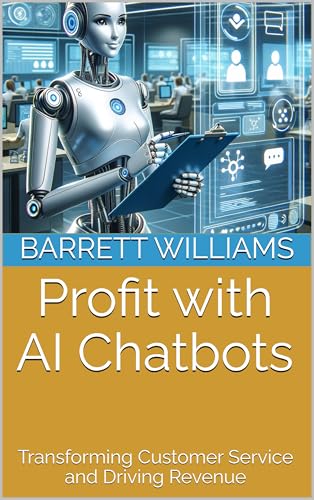
Profit with AI Chatbots: Transforming Customer Service and Driving Revenue (Profit Code: Making Money with AI Book 8)
As an affiliate, we earn on qualifying purchases.
As an affiliate, we earn on qualifying purchases.
Frequently Asked Questions
How Do Chatbots Handle Complex or Emotional Customer Queries?
You might find that chatbots handle complex or emotional customer queries by recognizing keywords and analyzing sentiment. They often escalate difficult issues to human agents when needed, ensuring you get the help you require. Advanced chatbots use natural language processing to understand context and emotions better. While they aim to provide empathetic responses, they’re most effective when combined with human support for sensitive or intricate matters.
What Are the Privacy Concerns Associated With Virtual Assistants?
You should be aware that virtual assistants collect and store personal data, which raises privacy concerns. They might inadvertently share sensitive information or be vulnerable to hacking if security isn’t robust. Always review privacy policies, opt for strong passwords, and limit the information you share. Using trusted, secure platforms helps safeguard your data. Being cautious ensures your privacy remains protected while enjoying the benefits of virtual assistants.
How Do Businesses Measure Chatbot Effectiveness?
You measure chatbot effectiveness by tracking key metrics like resolution rates, response times, and customer satisfaction scores. You can analyze conversation logs to identify common issues and improve responses. Monitoring user engagement and retention helps gauge interest. Regularly collecting feedback allows you to refine the chatbot’s performance. Using analytics tools, you can compare pre- and post-implementation data, ensuring your chatbot delivers value and enhances the customer experience.
Can Chatbots Replace Human Customer Service Entirely?
No, chatbots can’t replace human customer service entirely. While they handle simple, repetitive inquiries efficiently, complex issues still need a human touch. You benefit from quick responses and 24/7 availability, but for empathy, nuanced understanding, and personalized solutions, human agents are essential. Combining both ensures you receive extensive support, leveraging technology’s speed alongside human judgment for the best customer experience.
What Are the Costs Involved in Implementing Chatbot Solutions?
Implementing chatbot solutions involves several costs. You’ll need to invest in software development or licensing fees, which can range from affordable plans to custom-built systems. Additionally, consider expenses for integration with your existing systems, ongoing maintenance, and updates. Training your staff to manage and optimize the chatbot also adds to costs. While initial investments may seem high, they often lead to long-term savings and improved customer experiences.

How to Become a Virtual Assistant: Start Your Own Business from Home
As an affiliate, we earn on qualifying purchases.
As an affiliate, we earn on qualifying purchases.
Conclusion
As you embrace chatbots and virtual assistants, you’re opening the door to a customer service revolution. These digital helpers are like tireless guides, always ready to assist and make interactions smoother. By harnessing their power, you turn ordinary queries into extraordinary experiences. So, don’t just keep up — lead the way, and watch your customer satisfaction soar like a kite on a breezy day. The future of service is here, and it’s waiting for you to take the leap.

Natural Language Processing in Action, Second Edition
As an affiliate, we earn on qualifying purchases.
As an affiliate, we earn on qualifying purchases.

The Artificial Intelligence Chatbot: Unexpected Positive Consequences
As an affiliate, we earn on qualifying purchases.
As an affiliate, we earn on qualifying purchases.