
TL;DR

Get business pricing on tech for your team
- Business-only prices and quantity discounts
- Tax-exempt purchasing
- Multiple users, one account, clear invoices
Indian government has nearly tripled import duties on gold, silver, and platinum, leading jewelers to expect a 10% decrease in sales. The move aims to stabilize the rupee but impacts domestic demand.
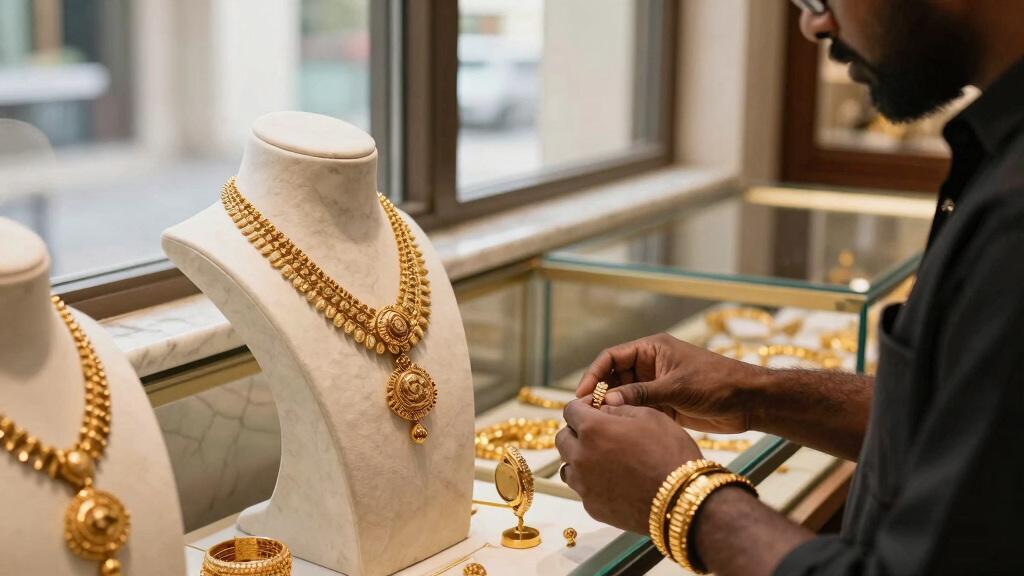
Indian jewelers are preparing for a roughly 10% decline in domestic gold sales following the government’s decision to nearly triple import duties on precious metals, a move aimed at stabilizing the rupee and the country’s external balance.
The Indian government raised import duties on gold from 4% to nearly 11%, silver from 5% to approximately 12%, and platinum from 5% to about 12%, effective immediately. This tariff hike is part of broader efforts to curb gold imports and reduce pressure on the rupee, which has been under stress due to external economic factors.
Industry sources, including representatives of the Indian Gold and Jewelry Trade Federation, estimate that these increased tariffs could lead to a 10% drop in domestic gold sales, which constitute a significant portion of jewelry consumption in India. Jewelers in major markets like Mumbai, Kolkata, and Delhi report a slowdown in customer demand, with some fearing the decline could worsen if tariffs remain high.
Why It Matters
This development is significant because India is the world’s second-largest consumer of gold, and a decline in sales could impact both local jewelers and global markets. Reduced demand may also influence gold prices and supply chains, with potential ripple effects across the jewelry industry and related sectors such as manufacturing and exports.
As an affiliate, we earn on qualifying purchases.
Background
The move follows Prime Minister Narendra Modi’s recent appeals to Indian citizens to reduce gold consumption, promote electric vehicles, and work from home to ease economic pressures. Historically, India’s gold imports have been high, driven by cultural preferences and wedding seasons. The government has periodically adjusted import duties to manage trade deficits and stabilize the rupee, with the current increase being one of the most substantial in recent years.
“The tariff hike will significantly impact sales, and jewelers are already feeling the slowdown. We expect a 10% decline, and it could get worse if tariffs stay high.”
— An industry insider from the Indian Gold and Jewelry Trade Federation
“The government’s move aims to control gold imports and stabilize the rupee, but it risks dampening domestic demand and affecting the industry’s growth trajectory.”
— Economic analyst at Mumbai-based financial consultancy
As an affiliate, we earn on qualifying purchases.
What Remains Unclear
It is not yet clear how long the increased tariffs will remain in place or whether the government will implement further measures to support the jewelry sector. The actual impact on gold prices and consumer behavior remains to be seen as market reactions develop.
As an affiliate, we earn on qualifying purchases.
What’s Next
Industry stakeholders will monitor sales data over the coming months to assess the full impact of the tariff increase. The government may also review tariffs based on economic conditions and industry feedback, while jewelers may seek alternative sourcing or pricing strategies to mitigate losses.
As an affiliate, we earn on qualifying purchases.
Key Questions
Why did India increase gold import duties now?
The government increased import duties to reduce gold imports, stabilize the rupee, and address external account pressures, following Prime Minister Narendra Modi’s call to curb gold consumption.
How will the tariff hike affect Indian consumers?
Higher import duties are likely to increase gold prices domestically, which could reduce consumer demand and lead to lower jewelry sales, especially during peak wedding seasons.
Could the tariffs be reversed or lowered again?
The government has not announced any plans to reverse or reduce the tariffs but may review the policy depending on economic developments and industry feedback.
What is the broader economic goal of this move?
The primary aim is to curb gold imports, stabilize the rupee, and improve the current account deficit, aligning with Prime Minister Modi’s broader economic policies.
Columbus Day / Indigenous Peoples' Day Picks
long weekend sales
As an affiliate, we earn on qualifying purchases.