TL;DR

Get business pricing on tech for your team
- Business-only prices and quantity discounts
- Tax-exempt purchasing
- Multiple users, one account, clear invoices
A webcam-based blink-rate monitoring app is being tested to help remote workers reduce eye strain. The system estimates blink rate and prompts breaks, with initial pilot plans underway. Its success could lead to wider adoption of digital eye wellness tools.
A webcam-based blink monitoring system is being developed to help remote workers reduce digital eye strain by tracking blink rate and encouraging regular breaks. This initiative responds to increased screen time during remote and hybrid work models and aims to provide objective, on-device feedback without transmitting video data.
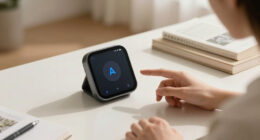
The proposed system uses on-device computer vision via webcams to estimate blink rate and screen distance, alerting users when their blinking drops below healthy levels. The goal is to implement a simple, effective workflow that prompts a 20-20-20 break—looking 20 feet away for 20 seconds—when blink rates decline, thereby reducing symptoms like dry eyes and headaches.
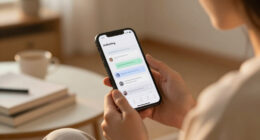
According to sources familiar with the project, the system will log daily eye comfort scores and be available through a subscription model targeted at individual remote workers and small teams. A two-week pilot involving twenty remote employees is planned to validate whether these interventions improve eye comfort and break adherence sufficiently to justify wider deployment.
Potential Impact on Remote Work Eye Health
This development could mark a significant shift in how digital eye strain is managed in remote work environments. By providing objective, real-time feedback, the system has the potential to reduce discomfort, increase productivity, and lower long-term eye health risks. If successful, it could lead to broader adoption of automated wellness tools integrated into daily work routines.
As an affiliate, we earn on qualifying purchases.
Growing Need for Eye Wellness Solutions in Remote Work
The increase in remote and hybrid work arrangements has led to longer daily screen exposure for millions of knowledge workers. Traditional methods of managing eye strain rely on self-awareness and manual breaks, which are often neglected or delayed until symptoms become severe. Recent advances in computer vision now enable webcams to estimate blink rates objectively, opening new avenues for preventive eye health tools.
This initiative aligns with market trends toward digital health solutions and the growing demand for wellness tools tailored to screen-heavy jobs. The idea of using on-device processing to protect privacy while providing actionable feedback is gaining traction in this space.
“Using webcams to monitor blink rate on-device offers a promising way to objectively support eye health without compromising user privacy.”
— an anonymous researcher
As an affiliate, we earn on qualifying purchases.
Uncertainties About Effectiveness and Adoption
It is not yet clear how effective the blink monitoring system will be in real-world settings or whether users will consistently follow the prompts. The pilot results are still pending, and long-term adoption remains uncertain. Additionally, questions remain about how accurately webcams can estimate blink rate across diverse lighting conditions and user behaviors.
As an affiliate, we earn on qualifying purchases.
Next Steps in Pilot Testing and Validation
The immediate next step is to conduct the planned two-week pilot with twenty remote workers, measuring changes in eye comfort and break adherence. Results from this pilot will determine whether the system warrants further development, wider deployment, or integration into existing remote work platforms. Researchers and developers will also monitor user feedback to refine the app’s accuracy and usability.
As an affiliate, we earn on qualifying purchases.
Key Questions
How does the webcam blink tracker work?
The system uses on-device computer vision to estimate blink rate and screen distance, then provides prompts for breaks when blink rate drops below healthy levels.
Will this system protect my privacy?
Yes. The system is designed to process video data locally on the device, without transmitting video footage elsewhere, to ensure user privacy.
Can this tool replace manual eye care routines?
This tool aims to supplement existing practices by providing objective, real-time feedback, but it is not a substitute for professional eye health advice or routine eye exams.
When will the system be available for wider use?
Wider availability depends on the outcomes of the pilot study. If results are positive, a commercial launch could follow within the next year.
Is this solution suitable for all remote workers?
The initial pilot targets knowledge workers who spend over eight hours daily at a laptop. Suitability for other populations will depend on further testing and development.
Source: IdeaNavigator AI
Fall Picks
fall essentials
As an affiliate, we earn on qualifying purchases.