
TL;DR
AI-powered study planners analyze your habits, goals, and deadlines to create personalized, efficient study schedules. They adapt in real-time and integrate with educational resources, making learning smarter and less stressful.
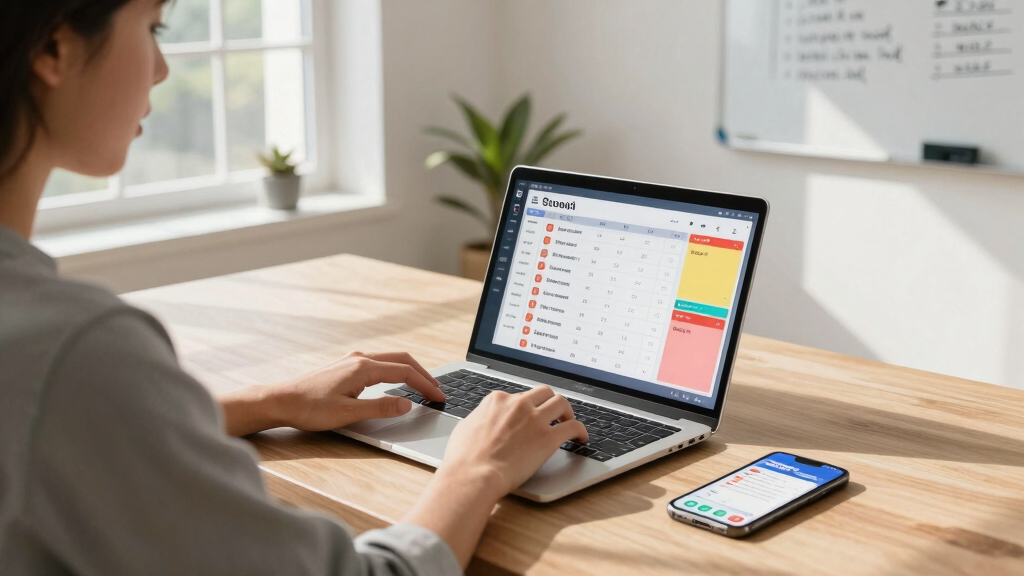
Ever felt overwhelmed trying to juggle classes, deadlines, and revision schedules? Imagine an intelligent assistant that not only keeps you organized but learns your habits and adjusts as you go. AI-powered study planners do exactly that—using smart algorithms to tailor your study routine to fit you perfectly.
In this article, you’ll see how these tools work, what recent innovations have emerged, and how you can leverage them to boost your grades without burning out. Let’s demystify the tech behind smarter learning—no jargon, just real-world benefits.
AI-powered study planners tailor your schedule based on your habits, deadlines, and goals, making learning more efficient.
Recent advances like NLP and platform integrations turn these tools into dynamic, interactive learning assistants.
Choose a planner that aligns with your learning style, privacy preferences, and platform ecosystem for best results.
AI tools often outperform traditional to-do lists by adapting in real-time, reducing stress and procrastination.
Getting started is simple: pick a tool, input your info, and follow the personalized plan.
How AI Personalizes Your Study Plan—It’s Like Having a Study Coach
AI-powered study planners craft your schedule by analyzing your input—like subjects, deadlines, and preferred study times. For example, if you’re a night owl with a math test in two weeks, the system shifts focus to evening sessions and highlights practice problems. These tools often analyze past study patterns to predict when you’re most alert and allocate challenging tasks accordingly.
One student used an AI planner that tracked her study streaks and found she learned best in 45-minute bursts. The system then built her schedule around these blocks, leading to better retention. Personalization isn’t just about fitting in tasks—it’s about making study time work for you. This tailored approach can significantly boost your efficiency, but it also requires honest input and consistent use. If you neglect to update your preferences or skip feedback, the system’s recommendations might become less accurate, highlighting the tradeoff between automation and user engagement.

WCZ Mini Sticker Printer – Sticker Box Printer AI Smart APP Print Pod Mini Printer Thermal Portable Sticker Maker Machine for Student DIY Scrapbook, Study Notes, Work Plan, Memos, Photo
- AI Image Generation: Transform words into art instantly
- AI Image Style Filters: Apply various AI filter styles to images
- One-Click Photo Cutout: Easily extract elements for stickers
As an affiliate, we earn on qualifying purchases.
As an affiliate, we earn on qualifying purchases.
Top 3 Features That Make AI Study Planners a Game Changer
| Feature | What It Does | Why It Matters |
|---|---|---|
| Adaptive Scheduling | Adjusts your plan based on progress or missed sessions | Keeps your study plan realistic and effective, even if your day changes |
| Resource Recommendations | Suggests videos, articles, or practice questions tailored to your weak spots | Makes studying more targeted and less time-wasting |
| Progress Analytics | Provides insights into your habits, strengths, and areas needing work | Helps you focus your efforts and track improvement over time |
For instance, one app automatically nudged a student to review flashcards when it detected a slip in quiz scores. These features turn a static schedule into a living, breathing plan that evolves with you. The benefit is clear: your study plan becomes more resilient to unexpected disruptions, but this also means it relies heavily on accurate data input. If your habits change suddenly or you ignore the system’s suggestions, the effectiveness can diminish, showing a tradeoff between automation and human oversight.
Daily Study Planner 2021- 2022: Student Planner, College Planner, Planner Homeschool and University Dairy… or High School Student Planner for … (Create a Personalized Daily Study Schedule)
As an affiliate, we earn on qualifying purchases.
As an affiliate, we earn on qualifying purchases.
Latest Breakthroughs Making AI Study Planners Smarter Than Ever
Recent advances push AI study planners from simple schedulers to learning companions. Machine learning algorithms now analyze thousands of user interactions to refine plans faster and more accurately. Natural Language Processing (NLP) lets you chat with your planner—ask questions or update your goals through voice or text, making planning feel like talking to a friend. This conversational ability reduces the barrier to regular interaction, but it also raises concerns about privacy and data security, as more personal data is exchanged.
Some platforms now sync directly with online courses and university systems, pulling in upcoming assignments automatically. Gamification features—badges, streaks, leaderboards—turn studying into a game, boosting motivation. However, while gamification can increase engagement, it may also lead to superficial motivation if not aligned with genuine learning goals. Plus, AI now suggests content—like a video explaining a tough concept—based on your weak spots, turning passive review into active learning. This targeted assistance helps deepen understanding, but it also depends on the quality of the AI’s data and algorithms, which can sometimes misjudge your needs if not properly calibrated.

Planning for Adaptive Teaching in the Primary Curriculum
As an affiliate, we earn on qualifying purchases.
As an affiliate, we earn on qualifying purchases.
What to Look for Before Picking an AI Study Planner
Choosing the right AI study planner depends on your needs. Look for tools that analyze your habits and adjust plans automatically. Consider how well they integrate with platforms you already use—such as Google Calendar, learning management systems, or educational apps—since seamless integration saves time and effort. Privacy matters too: ensure the app complies with data protection laws and clearly states how your data is used. The wrong choice might expose your personal information or lead to intrusive advertising, which can undermine your trust and willingness to engage with the tool.
For example, a busy college student might favor an app that syncs with her LMS and sends timely reminders, but if it also shares data with third parties without consent, it could compromise her privacy. Meanwhile, a high schooler might prefer a gamified interface that makes daily practice more fun, but if it’s too distracting or difficult to navigate, it could reduce overall engagement. The tradeoff here is between feature richness and usability—your ideal tool should balance both without sacrificing security or simplicity.

Rotating Pomodoro Timer 5/25/10/50, Desk Productivity Flip Timer, ADHD Tool
- Real Pomodoro Timer: Preset 5 and 25-minute work sessions
- Rotating Gravity Sensor: Flip to start, stop, or reset timer
- Multiple Preset Durations: Includes 5, 10, 25, 50-minute modes
As an affiliate, we earn on qualifying purchases.
As an affiliate, we earn on qualifying purchases.
Are AI Study Planners Better Than Old-School To-Do Lists?
AI study planners often outperform traditional to-do lists because they adapt and optimize your schedule automatically. A typical to-do list just lists tasks, but AI tools analyze your progress, suggest priorities, and adjust deadlines—like a personal coach whispering in your ear. This dynamic adjustment can prevent procrastination by constantly reshuffling tasks based on your current situation, but it also means the AI depends on accurate and honest input. If your input is inconsistent or incomplete, the system might suggest unrealistic goals or overlook critical tasks, which could undermine your progress.
For example, a student using a simple list might run out of time or become overwhelmed, while an AI planner dynamically reshuffles tasks, preventing burnout. Research from EdTech shows students using AI planners report higher motivation and better grades—up to 20% improvement in some cases. However, reliance on automation can sometimes lead to complacency—you might stop actively managing your learning, assuming the AI will handle everything. Recognizing this tradeoff is key to maximizing benefits while avoiding overdependence.
How to Get Started with Your First AI Study Planner in 3 Easy Steps
- Choose a platform that matches your needs—think about features, integrations, and privacy.
- Input your current schedule, upcoming deadlines, and learning preferences.
- Start following the plan and give feedback to help the AI learn what works best for you.
Frequently Asked Questions
How do AI-powered study planners customize my schedule?
They analyze your input—like subjects, deadlines, and how you study—and then adjust your plan based on your habits and progress. The more you use it, the better it becomes at tailoring your schedule to fit your needs.
Are AI study planners effective compared to traditional methods?
Yes. Studies show that students using AI planners often experience higher motivation, better time management, and up to 20% improvements in grades, especially when they stick with the tools consistently.
What features should I prioritize in an AI study planner?
Look for personalization, progress tracking, resource suggestions, and platform integrations. Also, check privacy policies to ensure your data stays protected.
Can AI study planners replace human tutors?
No. They’re designed to support your learning and organization but don’t replace the personalized guidance from teachers or mentors. Think of them as your digital study assistant.
How secure is my data with these tools?
Reputable AI study planners follow strict data protection laws and clearly communicate how your information is used and stored. Always choose apps with transparent privacy policies.
Conclusion
Smart studying isn’t about working harder—it’s about working smarter. AI-powered study planners turn your chaotic schedule into a clear, personalized roadmap. They’re not just tools; they’re your digital study buddies—learning and adjusting right alongside you.
Imagine sitting at your desk, knowing your plan is perfectly tuned to your rhythm. That’s the future of learning—more effective, less stressful, and totally personalized. Are you ready to let AI take your study game to the next level?