
TL;DR
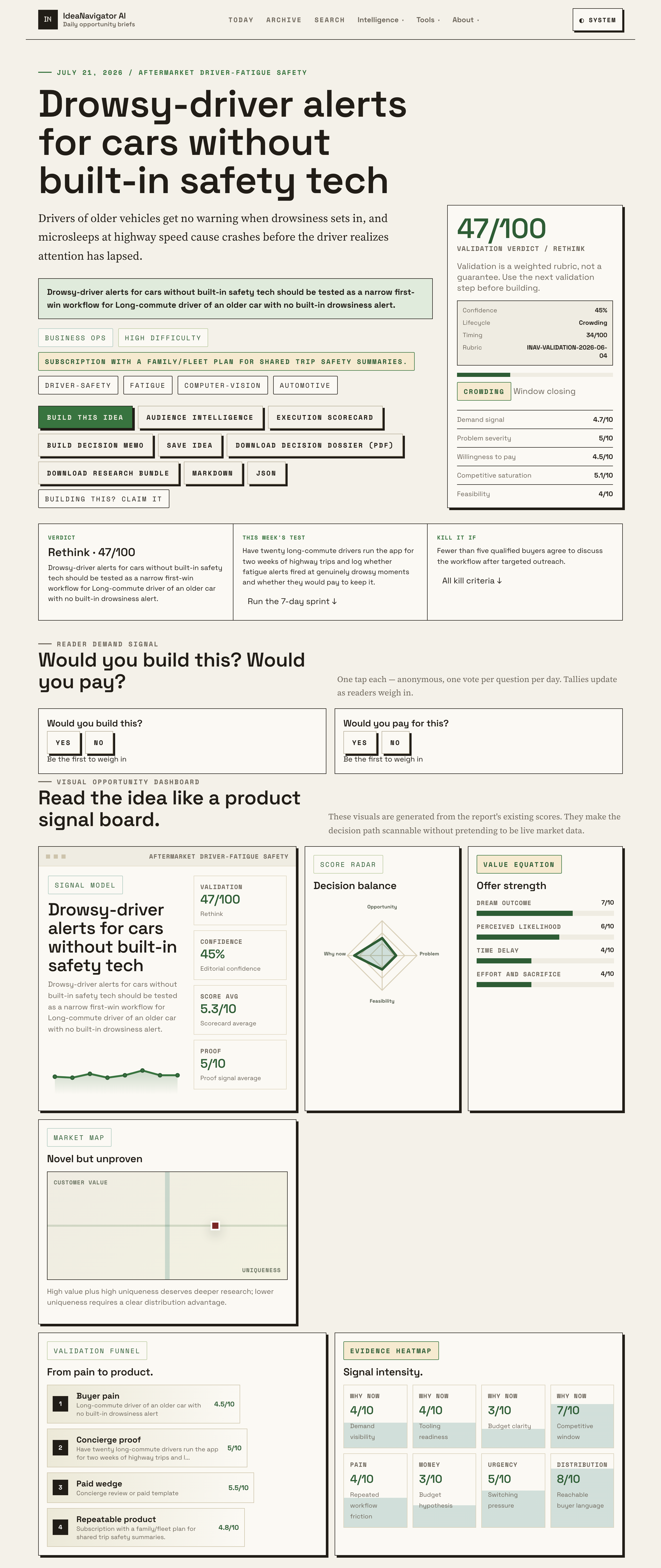
Researchers are developing a phone-mounted app to detect driver drowsiness by monitoring eye and head movements. This innovation targets older vehicles lacking built-in safety systems, aiming to reduce highway crashes caused by fatigue.
A phone-based drowsiness detection app is being developed to warn drivers of older vehicles without built-in safety tech when they show signs of fatigue. This innovation could help reduce accidents caused by microsleeps on highways, especially for long-commute drivers who lack advanced vehicle alerts. The system uses on-device face-landmark models to estimate eye closure and head nodding, providing an accessible safety solution for a significant segment of drivers.
The proposed system involves a dashboard app that runs on a smartphone mounted on the vehicle dashboard, utilizing the phone’s camera to monitor the driver’s face. When signs of drowsiness—such as eye closure or head nodding—are detected, the app sounds an escalating alert and prompts the driver to take a break. This approach leverages low-cost technology, making it feasible for drivers of older cars that lack built-in drowsiness detection systems.
According to an anonymous researcher involved in the project, initial testing will involve twenty long-commute drivers over a two-week period, logging the timing of fatigue alerts and driver responses. The goal is to validate whether the alerts correspond to genuinely drowsy moments and if drivers are willing to pay for continued use. The app aims to operate as a subscription service, offering shared safety summaries for families or fleet managers.
Potential Impact on Road Safety for Older Vehicles
This development addresses a critical safety gap for millions of drivers operating older vehicles without advanced safety features. By providing a low-cost, aftermarket solution, the system could significantly reduce fatigue-related highway crashes. Experts note that fatigue is a leading factor in many long-distance accidents, and early detection could save lives. If successful, this technology could set a precedent for affordable, scalable driver safety tools outside of factory-installed systems.
As an affiliate, we earn on qualifying purchases.
Growing Need for Aftermarket Driver Fatigue Solutions
While newer vehicles increasingly incorporate built-in drowsiness detection systems, a large portion of the vehicle fleet remains without such features. The rise of smartphone-based face-landmark models offers a new avenue for aftermarket safety tech. Previous research confirms that driver fatigue contributes to a significant percentage of highway crashes, especially among long-commute drivers. The current focus is on developing practical, user-friendly solutions that can be adopted without requiring vehicle modifications.
“This app could provide a vital safety layer for drivers of older cars, alerting them before microsleeps lead to accidents.”
— an anonymous researcher
As an affiliate, we earn on qualifying purchases.
Uncertainties Around Effectiveness and Adoption
It is not yet clear how accurately the app will detect drowsiness in diverse driving conditions or how drivers will respond to alerts. The effectiveness of face-landmark detection in real-world, variable lighting and driving scenarios remains to be validated through testing. Additionally, questions remain about user willingness to pay for the service and how it might integrate with existing vehicle systems or insurance policies.
As an affiliate, we earn on qualifying purchases.
Next Steps Include Pilot Testing and Validation
The project plans to conduct pilot testing with twenty long-commute drivers over two weeks, collecting data on alert accuracy and driver responses. Pending positive results, developers aim to refine the app and explore broader deployment, including subscription models. Further studies will assess long-term safety impacts and user acceptance before wider rollout.
car safety tech for older vehicles
As an affiliate, we earn on qualifying purchases.
As an affiliate, we earn on qualifying purchases.
Key Questions
How does the app detect driver drowsiness?
The app uses the smartphone’s camera to monitor facial features, specifically eye closure and head nodding, through face-landmark models to identify signs of drowsiness.
Will this work in all lighting conditions?
Effectiveness in low-light or challenging conditions is still under evaluation. Developers aim to optimize the face detection algorithms for various scenarios during pilot testing.
Is this system intended to replace built-in vehicle safety tech?
No, it is designed as an aftermarket supplement for older vehicles lacking integrated drowsiness detection systems.
How much will the service cost?
Pricing details are still being determined, but the plan is to offer a subscription model, potentially with family or fleet sharing options.
Could this technology be integrated into newer vehicles?
While primarily aimed at older cars, the underlying face-landmark detection technology could be adapted for integration into newer vehicle systems in the future.
Source: IdeaNavigator AI