
TL;DR
Meta has introduced a new wearable device for its Muse AI agent, designed to resemble a Tamagotchi virtual pet. This development signals a potential shift toward more interactive, personal AI hardware. Details remain limited, and the purpose of the device is not yet fully confirmed.
Meta has developed a wearable device that resembles a Tamagotchi virtual pet, designed to interact with its Muse AI agent. The device’s appearance and concept suggest an effort to create a more personal, engaging AI experience, though official details remain scarce. This move highlights Meta’s interest in blending wearable technology with AI interaction, potentially signaling a new product category or experimental phase for the company.

Get business pricing on tech for your team
- Business-only prices and quantity discounts
- Tax-exempt purchasing
- Multiple users, one account, clear invoices
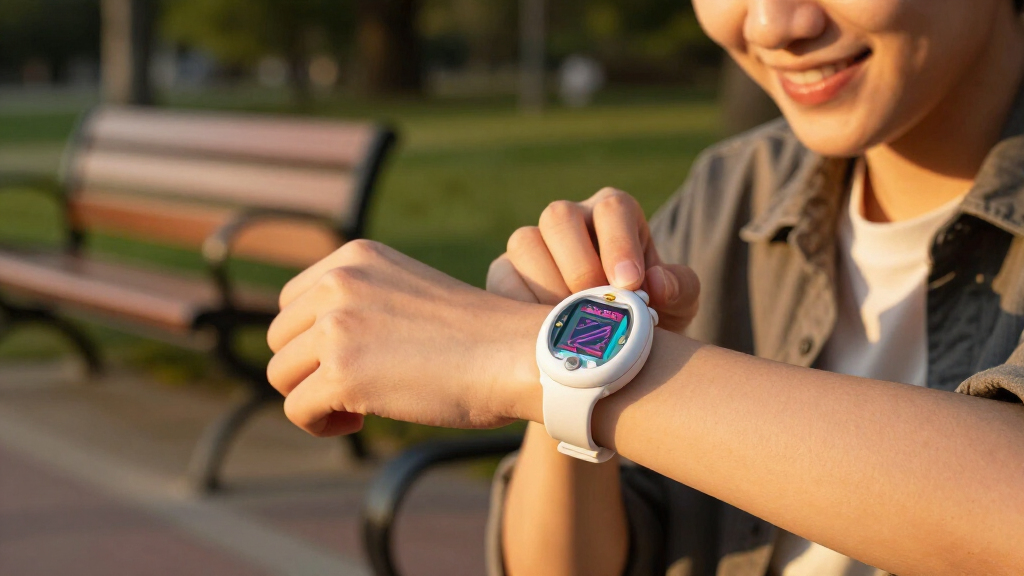
The device, described as a Tamagotchi-like wearable, was first detected through trend signals and online buzz, but Meta has not officially announced it. The wearable appears to be a small, handheld gadget with a screen and simple interface, reminiscent of the classic virtual pet toys from the late 1990s. It is believed to be connected to Meta’s Muse AI platform, which is designed to facilitate conversational AI and personal assistant functions.
Sources familiar with the matter indicated that the device could serve as a companion or interface for Muse AI, allowing users to interact with their AI in a more tangible, playful way. Some reports suggest that the device may include features like voice interaction, visual feedback, and perhaps even physical gestures, but these claims are unconfirmed. The device’s purpose, capabilities, and release plans are still under speculation, as Meta has not issued an official statement.
Potential Shift Toward Personal AI Wearables
This development could mark a significant step in how consumers interact with AI technology. By introducing a physical, toy-like device, Meta might be exploring new ways to make AI more approachable and engaging, especially for users who prefer tangible interactions over screen-based interfaces. If successful, it could influence the design of future AI hardware, emphasizing companionship and personal connection.
Moreover, the concept aligns with broader trends in wearable tech and AI integration, where companies aim to embed AI assistants into everyday objects. Meta’s move could challenge existing paradigms of voice assistants and push competitors to develop similar devices, potentially expanding the market for AI-enabled gadgets.
Products Worth Considering

Bose QuietComfort Ultra Earbuds (2nd Gen), Wireless Noise-Cancelling Earbuds, Black

Amazon Kindle Scribe Colorsoft 64GB with Premium Pen

Bose TV Speaker Compact Soundbar with Bluetooth and HDMI-ARC, Black
As an affiliate, we earn on qualifying purchases.
Meta’s AI and Wearable Tech Development Trends
Meta has been investing heavily in AI research and wearable technology, including virtual reality headsets and augmented reality glasses. The company’s AI platform, Muse, aims to enhance conversational AI and personalized digital experiences. The trend toward more interactive AI devices is driven by consumer interest in more natural, engaging digital companions, especially as AI technology advances rapidly.
Interest in AI-powered wearables has spiked recently, fueled by broader industry developments and media coverage of innovative gadgets. However, the specific development of a Tamagotchi-like wearable for Muse AI is a new and unconfirmed trend signal, with no official confirmation from Meta. The timing suggests that this could be part of Meta’s experimental projects or a testbed for future consumer products.
Unconfirmed Details and Development Status
Details about the device’s specifications, intended user experience, and release timeline remain unconfirmed. It is unclear whether the device is a prototype, a limited test, or a fully planned product. Meta has not officially acknowledged the wearable, and the purpose of the gadget—whether for consumer use, experimental research, or internal testing—is still unknown. The scope of its capabilities and how it integrates with Muse AI also remain unclarified.
Next Steps and Possible Announcements
Meta may choose to officially reveal the wearable device in the coming months, possibly alongside updates or new features for Muse AI. Industry watchers will be monitoring for any leaks, patents, or official statements that clarify the device’s purpose and availability. If the device enters testing or limited release, further details on user experience and functionality are expected to emerge through beta programs or media reports.
Additionally, competitors and industry analysts will track whether other companies follow suit, developing similar AI-oriented wearables that blend playful design with advanced AI interaction.
Key Questions
What exactly is the wearable device Meta developed?
It is a Tamagotchi-like device designed to interact with Meta’s Muse AI platform, resembling a small, handheld virtual pet toy. Specific features and functions are not yet confirmed.
When might this device be available to consumers?
There is no official release date announced. It remains uncertain whether Meta will bring it to market or keep it as an experimental project.
How does this device relate to Meta’s broader AI efforts?
The device appears to be part of Meta’s exploration into more personal, tangible AI interactions, complementing its existing AI and wearable technology initiatives.
Could this device influence future AI hardware designs?
Potentially, if the concept proves popular, it could inspire new forms of AI engagement that emphasize physical, playful interfaces for digital assistants.
Is this device aimed at consumers or research?
It is currently unclear whether the device is intended for general consumers or for internal testing and research purposes.
Source: rss