
To make your software architecture more sustainable and eco-friendly, focus on optimizing algorithms, minimizing data transfers, and choosing energy-efficient infrastructure like renewable-powered data centers. Use scalable, modular designs that extend system lifespan and reduce electronic waste. Incorporate cloud solutions that dynamically allocate resources and avoid idle energy use. By prioritizing these strategies, you’ll decrease environmental impact and promote greener digital practices—discover how these approaches can transform your development process and support a sustainable future.
Key Takeaways
- Design architectures that minimize data transfer and optimize resource usage to reduce energy consumption.
- Deploy applications on renewable-powered, energy-efficient data centers to lower environmental impact.
- Utilize scalable, serverless solutions to prevent resource wastage and improve energy efficiency.
- Adopt modular, maintainable designs to extend software lifespan and reduce electronic waste.
- Incorporate performance monitoring to identify inefficiencies and continuously enhance sustainability.
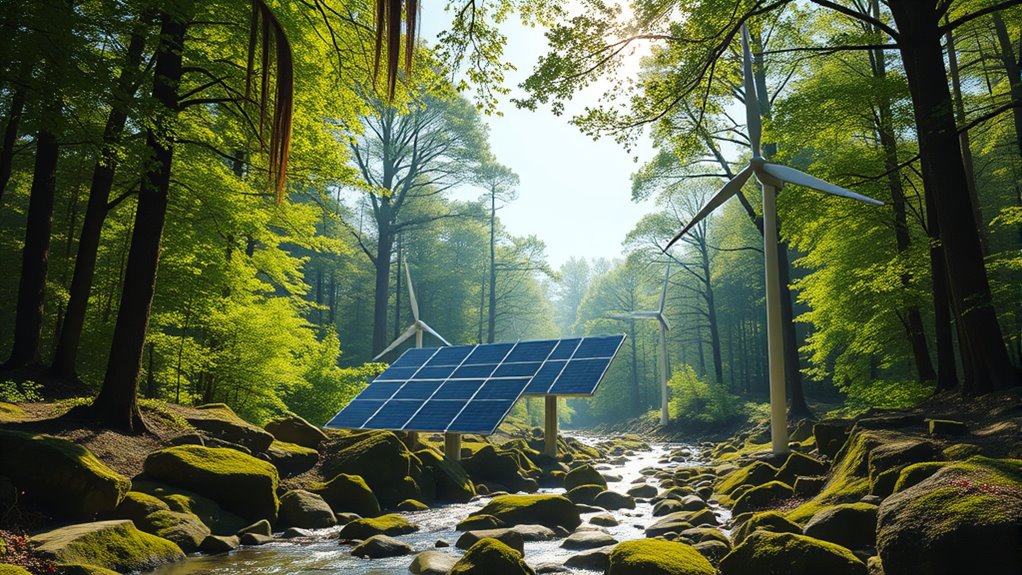
Have you ever considered how software architecture impacts the environment? It might not be the first thing that comes to mind when you’re developing or maintaining applications, but your design choices can considerably influence energy consumption and carbon footprints. As you build and optimize software, you’re indirectly shaping the sustainability of digital infrastructure. Efficient architectures can reduce server loads, minimize data transfer, and lower power usage—benefits that extend beyond cost savings to the health of our planet. Recognizing this connection encourages you to adopt practices that prioritize energy efficiency from the outset.
Software architecture choices significantly influence energy use and environmental impact.
In practical terms, designing green software involves choosing algorithms and data structures that are optimized for performance. For example, selecting more efficient code paths reduces CPU cycles, which in turn decreases electricity consumption. Additionally, minimizing data transfer between servers and devices not only speeds up user experiences but also cuts down on network energy use. Cloud-based solutions can be tailored to scale dynamically, ensuring resources are allocated only when needed, thereby avoiding waste. When you implement such strategies, you’re making a conscious effort to lower the environmental impact of your software.
Another key aspect is leveraging sustainable infrastructure. Cloud providers increasingly offer energy-efficient data centers powered by renewable energy sources. By deploying your applications on these platforms, you align your development goals with greener practices. You can also consider serverless architectures, which automatically handle resource scaling and often run more efficiently than traditional servers. These approaches reduce idle resources and unnecessary energy expenditure, helping you create software that’s both effective and eco-friendly.
Furthermore, adopting a modular design approach allows you to update or replace components without overhauling the entire system. This flexibility extends the lifespan of your software, reducing electronic waste and the environmental costs associated with frequent hardware upgrades. Regularly monitoring and analyzing your software’s performance helps identify inefficiencies, guiding you to make iterative improvements that enhance sustainability. Additionally, integrating personal development techniques like mindfulness and goal setting can foster a mindset more receptive to adopting sustainable practices in your development workflow. By incorporating these practices, you ensure your software remains resilient, efficient, and environmentally responsible over time.
Ultimately, your role as a developer or architect carries responsibility beyond functionality and user experience. Embracing green software architecture means consciously designing systems that use less energy, rely on sustainable infrastructure, and promote longevity. It’s about making smarter choices that benefit both your users and the environment. When you prioritize sustainability in your architectural decisions, you contribute to a more sustainable digital future—one where innovation and ecological mindfulness go hand in hand.

Energy-Efficient Data Centers: Second International Workshop, E²DC 2013, Berkeley, CA, USA, May 21, 2013. Revised Selected Papers (Programming and Software Engineering)
As an affiliate, we earn on qualifying purchases.
As an affiliate, we earn on qualifying purchases.
Frequently Asked Questions
How Does Green Software Architecture Impact Overall Business Costs?
Green software architecture helps you cut overall business costs by reducing energy consumption and optimizing resource use. When you design your systems efficiently, you spend less on infrastructure, cooling, and maintenance. Additionally, it boosts your reputation with environmentally conscious customers, potentially increasing sales. Over time, these savings add up, making your operations more cost-effective and sustainable. Embracing green architecture ultimately supports both your financial goals and your commitment to the environment.
What Are the Key Challenges in Adopting Sustainable Software Practices?
You face significant challenges when adopting sustainable software practices. Did you know that 70% of IT leaders cite legacy systems as a barrier? You might struggle with high upfront costs, limited expertise, or integrating new eco-friendly tools into existing workflows. Resistance to change can also slow progress. Nonetheless, embracing these practices ultimately benefits your organization, helping reduce environmental impact and boost efficiency in the long run.
How Can Developers Measure the Environmental Impact of Their Code?
You can measure your code’s environmental impact by monitoring energy consumption during execution, using tools like power meters or software-based metrics. Analyze the efficiency of your algorithms, aiming for minimal CPU and memory usage. Track the carbon footprint through specialized platforms that estimate emissions linked to server usage. Regularly review performance data to identify and optimize energy-intensive processes, ensuring your code promotes sustainability and reduces environmental impact effectively.
What Role Do Cloud Providers Play in Sustainable Software Development?
Imagine a vast digital forest where cloud providers are the diligent gardeners. They optimize data centers with renewable energy, efficient cooling, and smart resource allocation. By choosing providers committed to sustainability, you help reduce carbon footprints and conserve resources. Their innovations act like sunlight and water, nurturing greener practices. You play a crucial role by supporting providers that prioritize eco-friendly infrastructure, making your software development more sustainable and impactful for the planet.
Are There Industry Standards for Green Software Architecture?
Yes, industry standards for green software architecture do exist. You can follow frameworks like the Green Software Foundation’s guidelines, which promote energy-efficient coding practices, sustainable cloud usage, and resource optimization. Additionally, standards such as ISO/IEC 30182 offer best practices for sustainable IT. By adhering to these, you guarantee your software minimizes environmental impact, improves efficiency, and aligns with global sustainability goals.

Serverless Development on AWS: Building Enterprise-Scale Serverless Solutions
As an affiliate, we earn on qualifying purchases.
As an affiliate, we earn on qualifying purchases.
Conclusion
By embracing sustainable and green software architecture, you can make a real difference, just like a gardener tending to a thriving garden. Every small change you implement helps reduce environmental impact and promotes long-term efficiency. Remember, your efforts are the seeds for a greener future. So, take action today and build software that’s not only functional but also environmentally responsible—because together, you can create a sustainable digital world that flourishes for generations to come.
Sustainable Dual-Track Development: The Future of Software Engineering for Co-located, Remote, and Hybrid Teams
As an affiliate, we earn on qualifying purchases.
As an affiliate, we earn on qualifying purchases.

Green Data Center Infrastructure Construction and Application Guidelines(Chinese Edition)
As an affiliate, we earn on qualifying purchases.
As an affiliate, we earn on qualifying purchases.