
Behind every new cloud region sits a construction site, and this week’s news shows how many things can stall one. Texas shut down STEERS, its automated permit filing portal, and 17 data center stormwater permits were moved from “active” to “suspended”, 404 Media reports. Amazon is backing a proposed nuclear project in Indiana with small modular reactors from X-energy, according to TechRadar, with construction dates still uncertain. Permits, land and power make the headlines. On site, the last weeks before handover often depend on something quieter: records that prove what was built.

Get business pricing on tech for your team
- Business-only prices and quantity discounts
- Tax-exempt purchasing
- Multiple users, one account, clear invoices
This week in the data center build-out
- Permits: Texas shut down STEERS, the web portal of its automated construction permit filing system, and 17 data center permits were moved from “active” to “suspended”, 404 Media reports. The permits relate to stormwater construction, the approval that lets builders raise and level ground.
- Land: Finnish authorities ordered Google’s subsidiary to stop environmentally significant work at its planned data centers in Muhos and Kajaani until mandatory environmental impact assessments are completed. Approximately 250,000 trees were cut at one site, Tom’s Guide reports, citing The Guardian.
- Power: Amazon is backing a proposed nuclear development in Indiana with 12 small modular reactors from X-energy and a combined planned output of 960 megawatts, according to TechRadar. Construction and commissioning dates remain uncertain.
- Materials: Paint covers almost every surface in a data center, and coating a single building can cost as much as $8 million, a JLL executive told The New York Times, Inc. reports. One PPG coating can protect steel against the heat of a fire for up to four hours.

Why records, not concrete, often set the last weeks
A data center is a building packed with systems: power, cooling, raised floors, cable trays, fire protection. Much of that work disappears from view long before handover. Fire protection coatings end up behind cladding, cable routes vanish under the raised floor, and the ceiling closes over trays and busbars. When the operator later asks for evidence, reopening a floor or a ceiling just to take a picture costs time that a fast build does not have.
That is why the documentation question is a schedule question. As the construction documentation software Gewerkton puts it on its industries page: “In a data centre one missing record can delay the release of a whole zone, although every device was installed long ago.”
What “one record” looks like on site
Gewerkton describes its approach for data centers in concrete terms: “Room, row, rack, plant identifier, visible serial number, connection and commissioning step hang on one item; cable routes and covered states are photographed before the raised floor or the ceiling is closed.” Measurements are kept as raw values with unit, device, method and time.
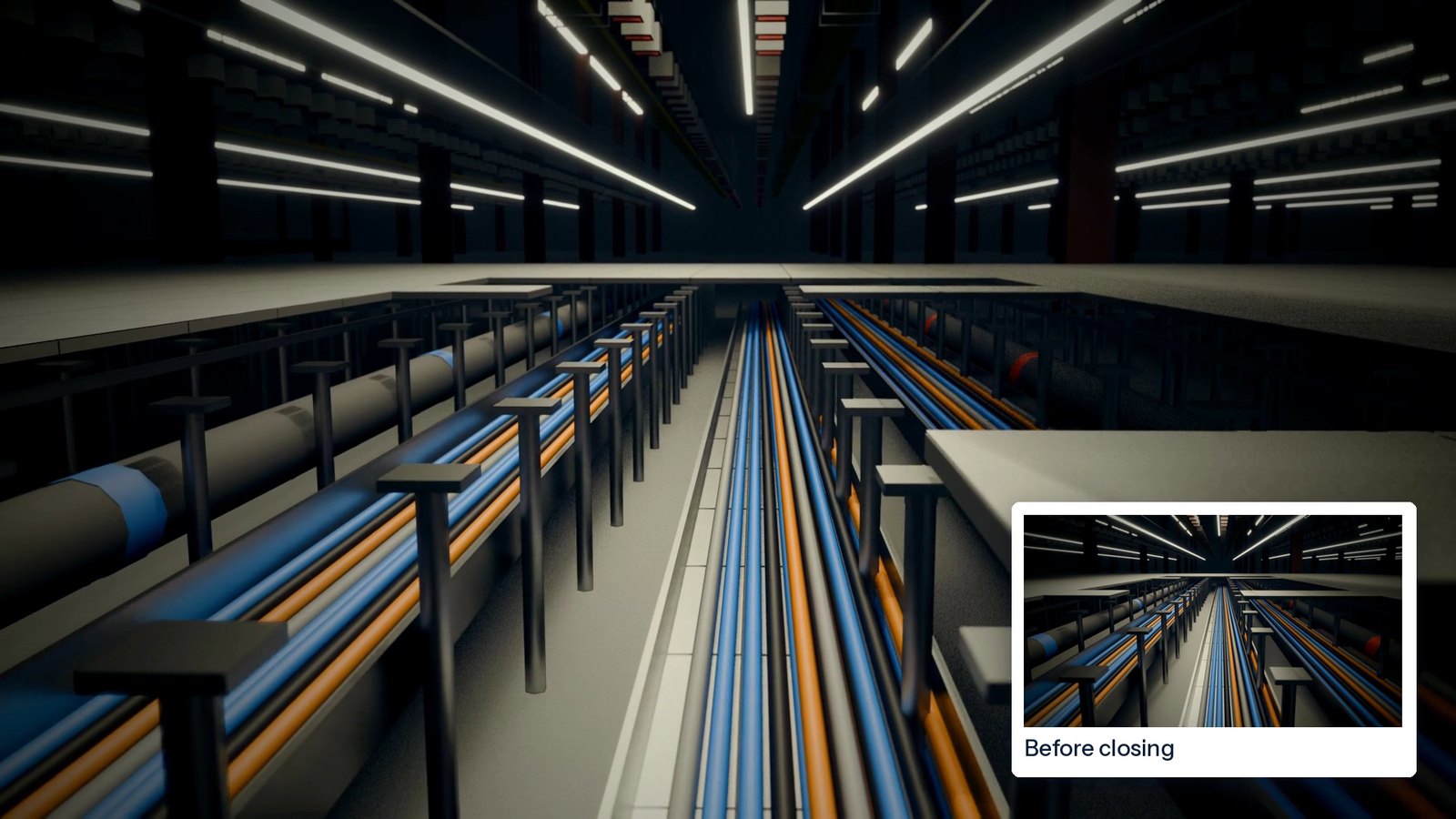
The same logic applies to defects. On a fast data center build, a defect that lives only in someone’s notebook is easy to lose. Gewerkton’s site app lets the team dictate a defect instead of typing it, and “every defect lands with a trade, a company and a deadline.” Before a layer is closed, the app asks for the photo, so whatever disappears behind plaster, screed or ceiling is documented beforehand. The mobile app also works offline and syncs later, which matters in a concrete hall with no signal.
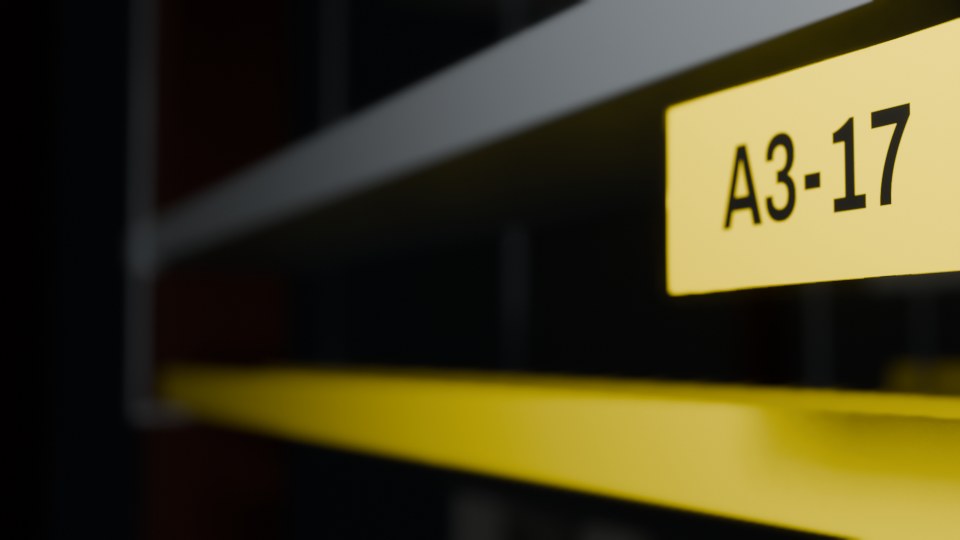
Many trades, one chain of dependencies
Data center sites run many trades in parallel. Steel, power, cooling and raised floor depend on each other, and a delay in one shows up as waiting time in the next. A shared record helps each team see what is needed from it right now, instead of discovering a missing approval at the end.

Handover: the same idea as finding the one faulty part
Operators already think this way once a data center is running. Nvidia this week announced Minerva at GTC Berlin, software that pulls data from GPUs, network gear, storage and job schedulers into one map, because, as Nvidia says, one faulty part can hold up an entire training job, The Next Web reports. The construction side has a similar need one step earlier: a record that links each room, rack and connection to what was installed, checked and photographed.
Gewerkton frames handover this way: “At handover the plant state moves across to the operating organisation without the construction organisation losing its records.” Spoken original, transcript, suggestion and human decision stay in one chronology that is never silently overwritten.
Watch the walkthrough
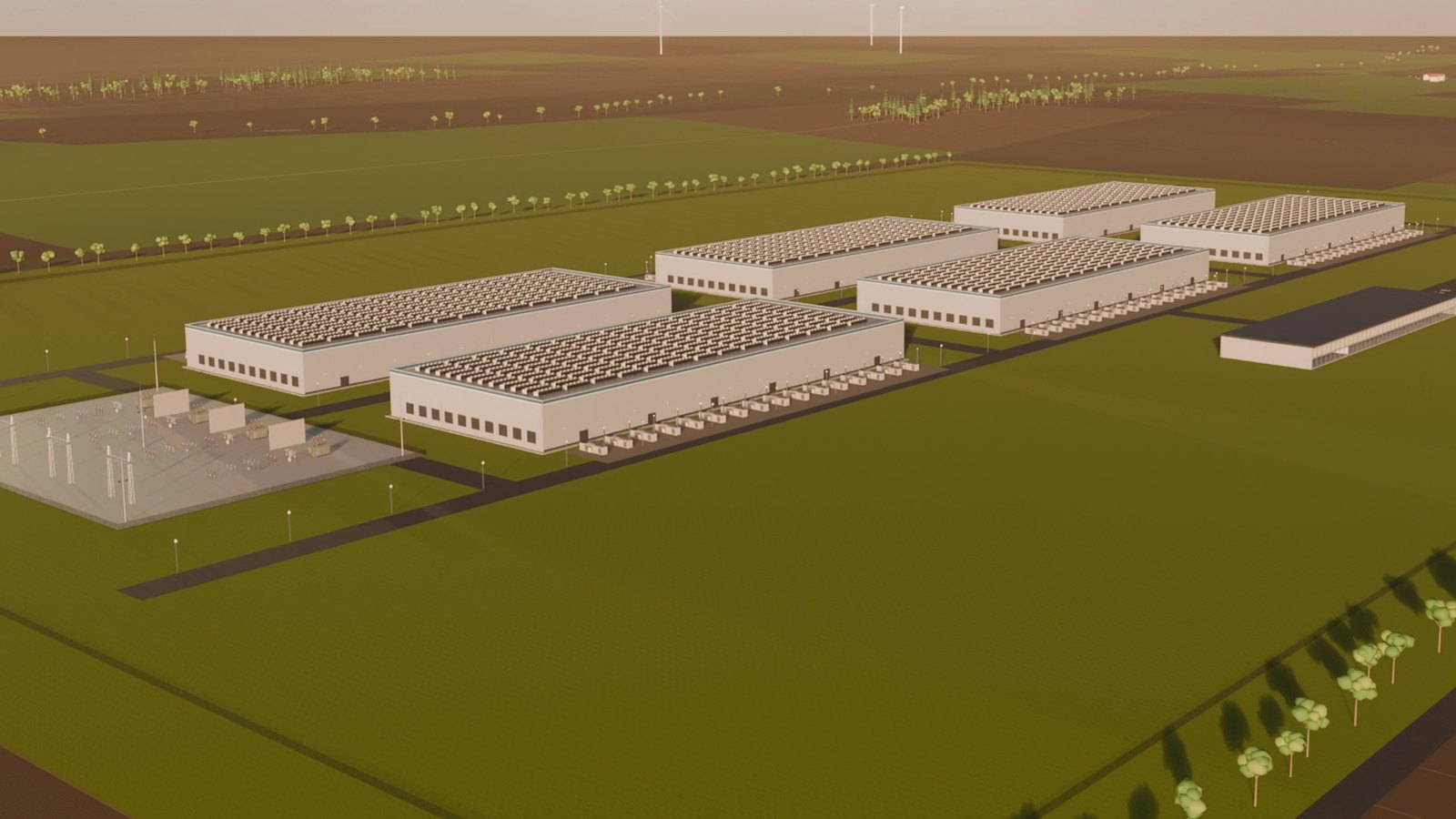
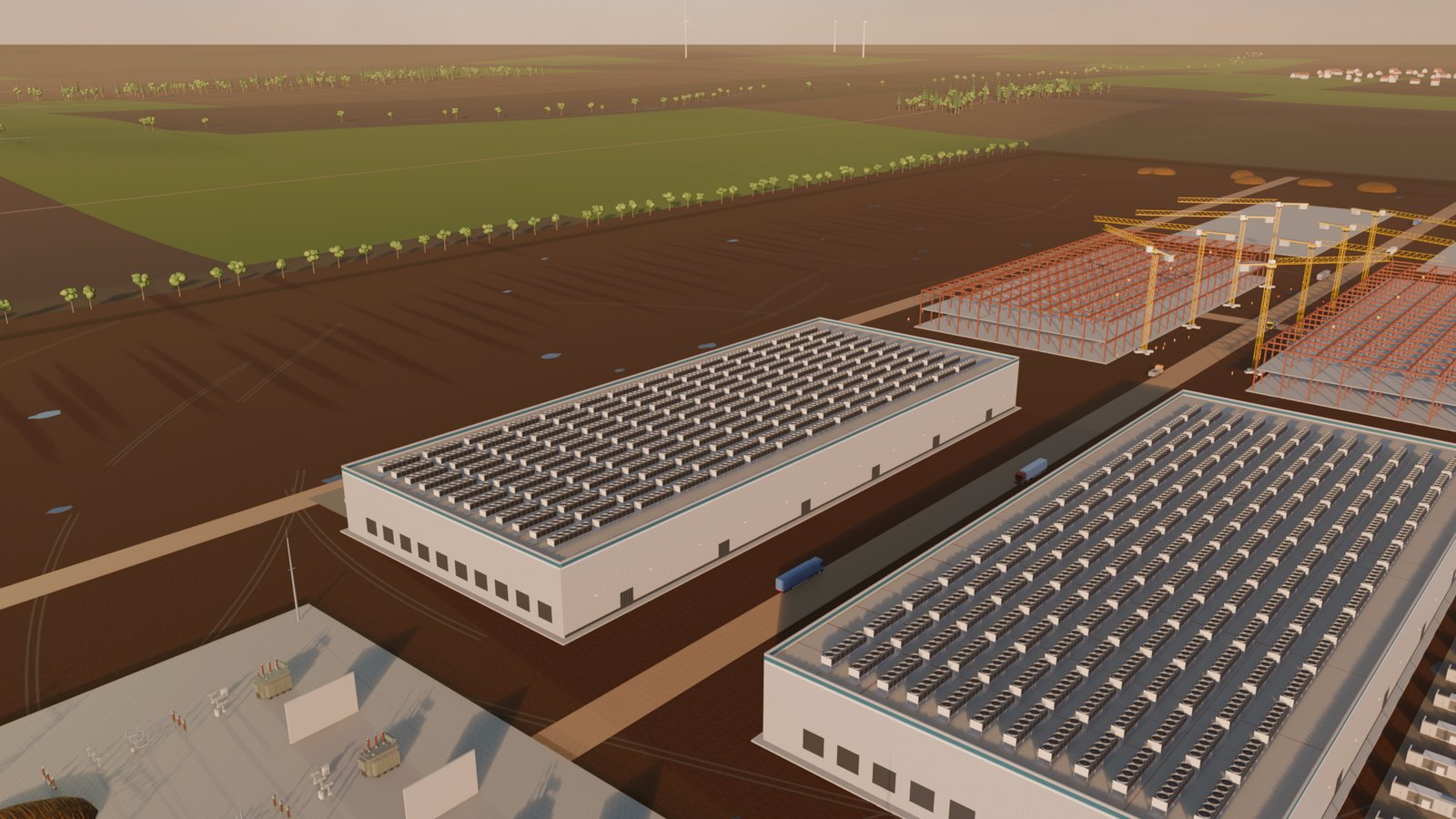
A short film on the GewerkTon YouTube channel walks through a fictional six-hall data center campus, from the first field to handover, in about 48 seconds. Everything shown is a sample model, not a real project.
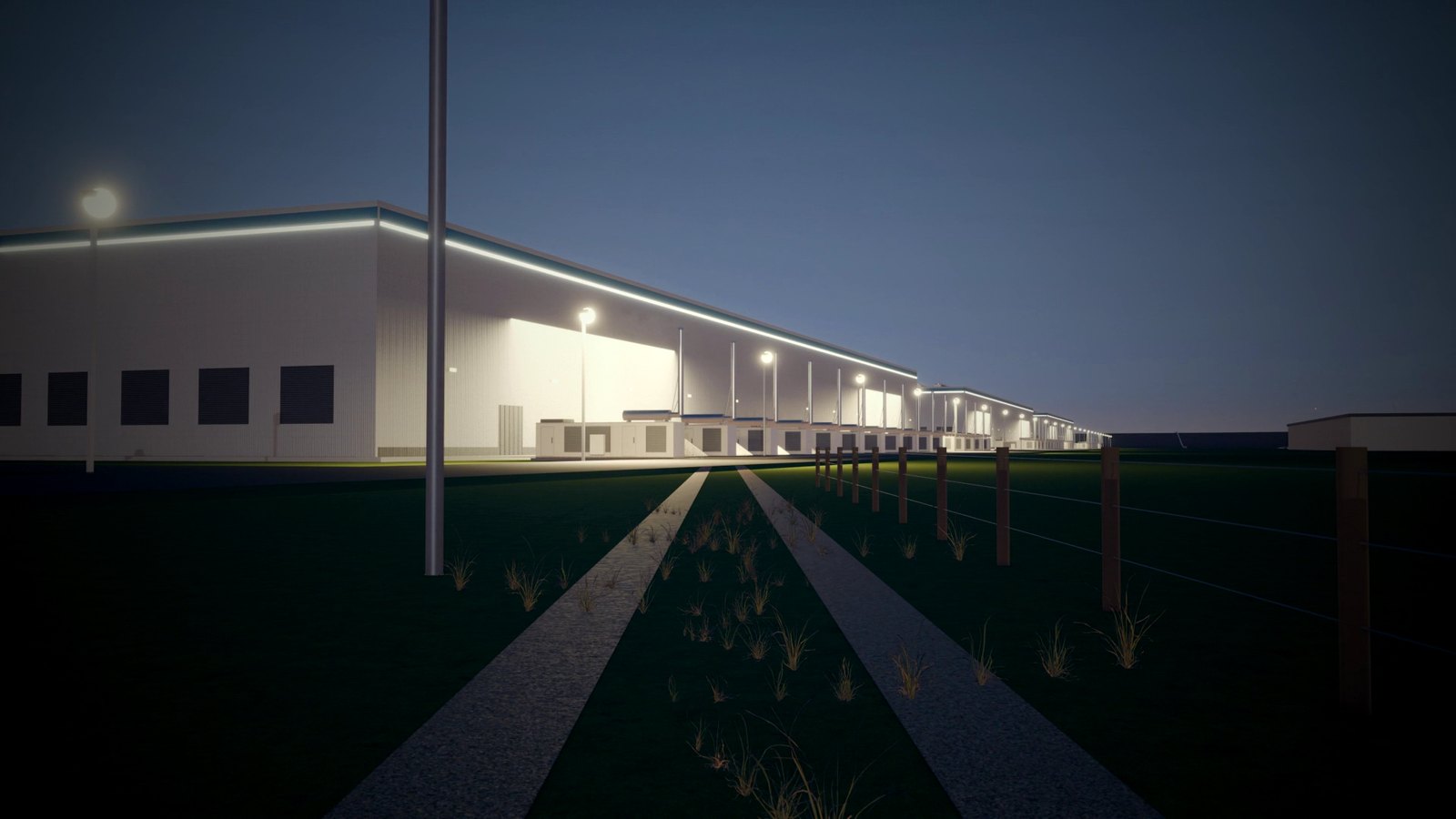
The takeaway for anyone building, financing or operating these sites: the race is not only for power, land and permits. It is also for evidence. As Gewerkton’s tagline puts it: “On site, only what’s proven counts.”
Fall Picks
fall essentials
As an affiliate, we earn on qualifying purchases.