To reduce your data center’s carbon footprint, focus on implementing energy-efficient hardware like ENERGY STAR-rated devices and optimizing cooling systems with techniques such as hot aisle/cold aisle containment. Incorporate renewable energy sources like solar or wind power, and use energy storage solutions to balance supply. Regularly monitor, analyze, and fine-tune your energy use with automation and smart controls. Staying informed will help you discover more ways to build a greener, more sustainable infrastructure.
Key Takeaways
- Implement energy-efficient hardware and virtualization to reduce power consumption and hardware waste.
- Optimize cooling systems with advanced techniques like hot aisle containment and liquid cooling.
- Integrate renewable energy sources such as solar, wind, or hydroelectric power to supply data center operations.
- Monitor and analyze energy use continuously to identify improvement opportunities and set sustainability benchmarks.
- Adopt management practices like automation and natural climate utilization to enhance overall environmental efficiency.

As data centers continue to expand rapidly, their energy consumption and environmental impact become increasingly considerable. You might not realize it, but data centers are responsible for a substantial portion of global electricity use, contributing heavily to carbon emissions. This growing concern has prompted many organizations to seek sustainable solutions that reduce their carbon footprint and promote greener practices. Implementing energy-efficient equipment, optimizing cooling systems, and utilizing renewable energy sources are some of the effective strategies you can adopt to make your data center more environmentally friendly.
One of the primary ways to cut down energy consumption is by upgrading to energy-efficient hardware. Modern servers, storage devices, and networking equipment consume less power while delivering the same or better performance. When you choose ENERGY STAR-rated equipment or devices with high Power Usage Effectiveness (PUE) ratings, you help ensure that your data center operates more efficiently. Additionally, consolidating workloads and virtualizing servers can markedly decrease the number of physical machines needed, reducing both energy use and hardware waste.
Upgrading to ENERGY STAR equipment and virtualizing servers reduces energy use and hardware waste.
Cooling systems are a major contributor to a data center’s energy demands. You can improve efficiency by adopting advanced cooling techniques such as hot aisle/cold aisle containment, free cooling, or liquid cooling. These methods help manage heat more effectively and reduce reliance on traditional air conditioning units. If you optimize airflow and monitor temperature levels precisely, you minimize unnecessary cooling and conserve energy. Moreover, locating your data center in cooler climates or utilizing outside air for cooling purposes can leverage natural conditions to decrease energy consumption. Cooling efficiency is a key factor in optimizing overall energy use.
Renewable energy sources are crucial for making your data center more sustainable. You should consider powering your operations with wind, solar, or hydroelectric energy whenever possible. Many cloud providers and energy suppliers now offer renewable energy options, making it easier for you to reduce your reliance on fossil fuels. Additionally, implementing energy storage solutions like batteries can help balance supply and demand, ensuring your data center runs smoothly even when renewable energy generation fluctuates.
Finally, adopting detailed management practices and monitoring systems is essential to sustain these efforts. Regularly measuring energy use, setting efficiency targets, and analyzing data can help you identify areas for improvement. Incorporating automation and intelligent controls allows your data center to adapt dynamically to changing workloads, reducing waste and maximizing efficiency. By making these conscious choices and continuously refining your approach, you actively contribute to a greener future, reducing your carbon footprint and setting an example for sustainable IT practices.
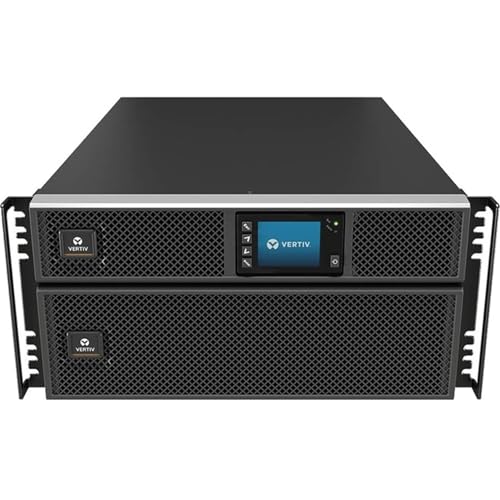
Vertiv Liebert GXT5 UPS with RDU120/Webcard – 6kVA 6kW 208 and 120V, Online Double Conversion 4U Rack/Tower, Energy Star Certified, Lead Acid, Battery Backup, 1.0 Power Factor (GXT5-6000MVRT4UXLN)
HIGH POWER FACTOR (0.9-1.0): More usable power allows more connected loads saving space and costs.
As an affiliate, we earn on qualifying purchases.
As an affiliate, we earn on qualifying purchases.
Frequently Asked Questions
How Can Small Businesses Implement Green IT Practices Effectively?
You can start by optimizing your energy use, such as upgrading to energy-efficient hardware and consolidating servers to reduce waste. Implement cloud services to lower on-site power needs, and switch to renewable energy sources if possible. Encourage remote work to decrease commuting emissions, and establish policies that promote responsible e-waste disposal. Small steps like these make a significant impact on your carbon footprint while keeping costs manageable.
What Are the Latest Innovations in Energy-Efficient Data Center Hardware?
You might think upgrading hardware is costly, but the latest innovations prove otherwise. Energy-efficient servers now feature advanced cooling techniques, low-power processors, and modular designs that reduce waste. You can adopt these without breaking the bank, especially as many vendors offer scalable options. Switching to energy-efficient hardware not only cuts costs but also helps you meet green initiatives, making your data center more sustainable and future-proof.
How Does Green IT Impact Overall Data Security and Compliance?
Green IT enhances your data security and compliance by promoting energy-efficient practices that reduce risks of hardware failure and data loss. As you adopt sustainable solutions, you also guarantee adherence to environmental regulations, which often require transparency and accountability. This proactive approach improves your organization’s trustworthiness, minimizes regulatory penalties, and strengthens your overall security posture, making your data management more resilient, responsible, and aligned with modern industry standards.
What Funding Options Are Available for Sustainable Data Center Upgrades?
You can tap into government grants and subsidies that make green upgrades practically free, fueling your sustainability goals. Many financial institutions now offer low-interest loans specifically for eco-friendly infrastructure. Tech vendors also provide rebates and incentives for adopting energy-efficient equipment. Additionally, explore public-private partnerships or venture capital focused on green innovation. These options can turn your data center upgrades into cost-effective investments, accelerating your journey toward a greener, more sustainable future.
How Can Employees Be Engaged in Promoting Green IT Initiatives?
You can engage employees in green IT initiatives by encouraging their participation in sustainability programs, offering training on energy-efficient practices, and recognizing their efforts. Create awareness through workshops and internal campaigns that highlight the importance of reducing the carbon footprint. Involve them in decision-making processes for green upgrades, and foster a culture of sustainability where everyone feels responsible. Your active involvement motivates employees to adopt eco-friendly habits and champion green initiatives.

JeffCool ISF 25 PG25 Liquid – 1 Gallon 25% Inhibited Propylene Glycol Heat Transfer Fluid for Data Center Cooling & PG25 Liquid Cooling Systems
Data Center Coolant
As an affiliate, we earn on qualifying purchases.
As an affiliate, we earn on qualifying purchases.
Conclusion
Think of your data center as a mighty river. By choosing greener methods, you’re guiding its flow gently, avoiding destructive floods that scar the landscape. Every energy-efficient decision you make is like planting trees along its banks, ensuring it stays vibrant and healthy for generations. Embrace these sustainable practices, and you become the steward of this essential river—nurturing its power while protecting the environment. Together, you keep the flow clean, strong, and everlasting.

Trojan 31-AES 12V Advanced Energy Storage Deep-Cycle Battery, Renewable Energy, Backup Power, Off-Grid Use (Pack of 2)
12V Deep-Cycle AGM Power – The Trojan 31-AES delivers dependable sealed performance for renewable energy, marine, and industrial…
As an affiliate, we earn on qualifying purchases.
As an affiliate, we earn on qualifying purchases.

Tripp Lite Roof Panel Kit for Hot/Cold Aisle Containment System – Wide 750 mm Racks – Black – 29.5" Width
SRCTMTCVR750
As an affiliate, we earn on qualifying purchases.
As an affiliate, we earn on qualifying purchases.