Supporting 100 models in MLOps requires you to adopt automated pipelines for deployment, validation, and rollback, reducing manual errors and ensuring consistency. You’ll need strong data governance to handle multiple sources and maintain trustworthiness. Scalable infrastructure and orchestration tools become essential to manage load and deployment processes. Continuous monitoring helps you track performance, drift, and compliance across all models. By implementing these practices, you’ll see how streamlined and reliable large-scale model management can become—if you explore further.
Key Takeaways
- Automation and standardized pipelines become essential to manage deployment, testing, and rollback across numerous models efficiently.
- Robust version control and CI/CD practices are critical to track and deploy multiple model iterations reliably.
- Scalable infrastructure and orchestration tools are required to handle increased load and simultaneous deployments.
- Continuous monitoring and alerts must scale to track performance, drift, and data quality across all models effectively.
- Data governance and compliance processes must expand to ensure trustworthy data, security, and regulatory adherence for large model sets.

Ever wondered how organizations manage the complexity of supporting and maintaining a hundred machine learning models simultaneously? When you’re dealing with this many models, the challenge isn’t just in developing them but in ensuring they perform reliably and securely over time. MLOps becomes essential here, streamlining the entire lifecycle from deployment to monitoring. Model deployment, in particular, takes on new significance because you need a structured approach to roll out updates, manage versions, and guarantee each model operates in harmony within the production environment. You can’t afford chaos or manual errors—automation and standardized pipelines are indispensable for deploying models quickly and consistently. This means setting up automated testing, validation, and rollback procedures so that you can introduce improvements without disrupting existing services.
Data governance also plays a key role when supporting many models. With numerous models, each might depend on different data sources or require specific data quality standards. You need clear policies for data access, lineage, and security to prevent contamination or misuse. Proper data governance ensures that models are trained on trustworthy data and that any updates or retraining follow strict guidelines, reducing bias and maintaining compliance. As the number of models increases, tracking data changes becomes more complex, so you need automated systems to monitor data quality and lineage continuously. This provides transparency and accountability, which are critical for regulatory compliance, especially when models influence high-stakes decisions. Implementing natural pools of native plants can further support sustainable practices in your data ecosystem, aligning with eco-friendly principles. Additionally, adopting robust version control** practices helps in managing different model iterations efficiently and reduces deployment errors. Incorporating automated deployment pipelines** also enhances consistency and speeds up the rollout process, making it easier to handle multiple models at scale.
Supporting a hundred models also means adopting scalable infrastructure that can handle the load without sacrificing performance. You’ll need orchestration tools that can manage deployment pipelines for multiple models simultaneously, reducing manual intervention. This involves version control, environment management, and continuous integration/continuous deployment (CI/CD) pipelines tailored for ML workflows. The goal is to make each deployment repeatable and traceable, so you can quickly identify issues or roll back to previous versions if needed. Such automation minimizes downtime and accelerates updates, enabling your team to respond swiftly to changing business needs or regulatory updates. Additionally, implementing requirements traceability ensures that each model and its data dependencies are aligned with organizational standards and compliance requirements, facilitating smoother audits and validation processes.
Finally, as you scale up, monitoring becomes more complex but even more essential. You need robust monitoring systems that track model performance, drift, and data quality across all models. Alerts and dashboards should provide real-time insights, so you catch problems early and maintain trust in your ML solutions. With proper model deployment strategies and data governance practices, you can manage this complexity efficiently, ensuring that your large portfolio of models remains accurate, compliant, and valuable to the organization.
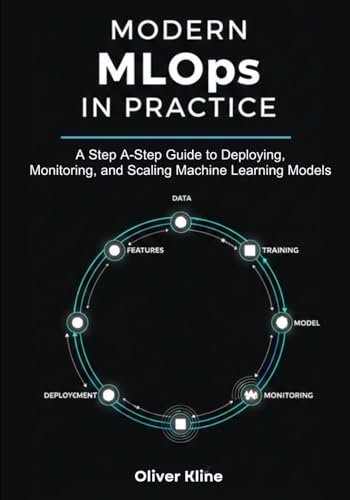
Modern MLOps in Practice: A Step-by-Step Guide to Deploying, Monitoring, and Scaling Machine Learning Models
As an affiliate, we earn on qualifying purchases.
As an affiliate, we earn on qualifying purchases.
Frequently Asked Questions
How Do Teams Prioritize Models for Maintenance and Updates?
You prioritize models for maintenance and updates by evaluating their impact, usage, and performance. You allocate resources to high-value models first, ensuring they stay accurate and reliable. When models become outdated or underperform, you plan their retirement to free up resources for more critical projects. This way, you optimize resource allocation, keep your system efficient, and make sure your models deliver the best results for your business.
What Tools Are Best for Managing Large Model Inventories?
You should use tools focused on model cataloging and version control, like MLflow or DVC, to manage large model inventories effectively. These tools help you organize models, track different versions, and guarantee reproducibility. By implementing such solutions, you streamline updates, facilitate collaboration, and minimize errors across your extensive model portfolio, making your MLOps process more scalable and manageable as your inventory grows.
How Does Scaling Impact Model Deployment Speed?
Did you know that deploying thousands of models can slow down your process by up to 50%? Scaling impacts deployment speed considerably, especially when managing model versioning and data drift. With more models, it takes longer to track changes, validate updates, and maintain consistency. You need robust automation and monitoring tools to keep pace, so your deployment remains efficient despite the increased volume.
What Are Common Challenges in Monitoring Numerous Models?
When monitoring numerous models, you often face challenges like detecting model drift and ensuring data quality. You need robust systems to track performance across all models, making sure they stay accurate over time. Without proper alerts, drift can go unnoticed, degrading results. Maintaining high data quality is essential to prevent faulty predictions. Using automated monitoring tools helps you manage these issues efficiently, keeping models reliable as your portfolio grows.
How Can Automation Improve Model Lifecycle Management?
Automation acts as the steady heartbeat of managing numerous models. It streamlines model versioning, ensuring each iteration is tracked and deployed smoothly. Automated retraining keeps models fresh, adapting to new data without manual effort. This rhythm of automation reduces errors, accelerates updates, and maintains consistency across your model ecosystem. By embedding these processes, you create a harmonious flow, allowing your team to focus on innovation rather than routine upkeep.

Learn Version Control with Git: A step-by-step course for the complete beginner
As an affiliate, we earn on qualifying purchases.
As an affiliate, we earn on qualifying purchases.
Conclusion
When supporting 100 models, MLOps transforms into a high-stakes, streamlined process. Did you know that teams managing large model portfolios often see a 30% increase in deployment speed? This efficiency boost isn’t just about handling more models—it’s about maintaining quality and agility at scale. By embracing scalable tools and automated workflows, you stay ahead of the curve, ensuring your models perform at their best and your organization stays competitive in this rapidly evolving landscape.

MODEL MONITORING : DRIFT, METRICS & RETRAINING
As an affiliate, we earn on qualifying purchases.
As an affiliate, we earn on qualifying purchases.

MASTERING DAGSTER: MODERN DATA ORCHESTRATION WITH PYTHON: Build Production Data Pipelines with Software Engineering Best Practices. ETL, ML Workflows, Data Quality, and Scalable Deployment
As an affiliate, we earn on qualifying purchases.
As an affiliate, we earn on qualifying purchases.