
To manage data effectively in Edge AI workloads, you should start by capturing data accurately at the source and storing it locally for quick access. Use AI models to analyze data in real time and filter out what’s unnecessary. Store important data securely and follow clear retention policies. When data is no longer needed, delete it securely to prevent breaches. Mastering these steps guarantees your data stays efficient, secure, and compliant—more strategies to optimize your data lifecycle await you.
Key Takeaways
- Implement real-time data capture and local storage to reduce latency and bandwidth usage at the edge.
- Deploy AI models locally for immediate data analysis and filtering, minimizing cloud dependency.
- Establish data retention policies to securely store, archive, or delete data based on its lifecycle stage.
- Use encryption, access controls, and auditing to ensure data security and compliance throughout its lifecycle.
- Automate data management processes for efficient lifecycle transitions, cost control, and adherence to regulations.

Have you ever wondered how organizations handle their data from creation to deletion? When dealing with edge AI workloads, managing data effectively throughout its lifecycle becomes essential. From the moment data is generated at the edge, whether through sensors, IoT devices, or user interactions, you need a clear plan to handle it right away. This means capturing the data accurately and ensuring it’s stored securely, often locally at first to minimize latency and bandwidth use. As data flows into your system, you should categorize and prioritize it based on its importance and sensitivity. Critical data that impacts real-time decision-making requires immediate processing, while less urgent information can be stored temporarily for later analysis. This initial phase demands a robust data ingestion process that balances speed and security.
Once the data is collected, you move into processing and analysis. Here, you might deploy AI models directly at the edge to analyze data in real time. This step is essential because it allows you to get immediate insights without sending all raw data to the cloud, reducing latency and bandwidth costs. During this phase, you should also filter out irrelevant or redundant information, ensuring that only valuable data is retained for further use. As insights are generated, you need to decide which data to keep for longer-term use and which to discard. This decision depends on your organization’s data retention policies, regulatory requirements, and the importance of historical records for future analysis. Additionally, implementing data lifecycle management practices helps streamline these processes and ensures compliance.
Deploy AI at the edge to analyze data in real time, filtering and deciding what to retain or discard.
After processing, data storage becomes the focus. Data that needs to be preserved for compliance, audits, or future analysis should be stored securely in appropriate repositories. You might use local storage at the edge for quick access or cloud solutions for scalability. But no matter where you store it, encryption and access controls are essential to protect sensitive information. Over time, data may become obsolete or less relevant, so establishing a clear data retention policy helps you delete or archive data systematically. Automating this process ensures you stay compliant with regulations and avoid unnecessary storage costs.
Finally, the data lifecycle concludes with data deletion. When data is no longer needed, you should delete it securely to prevent any risk of breaches or misuse. Proper deletion also helps you manage storage costs and maintain an organized system. Throughout this entire lifecycle, continuous monitoring and auditing are necessary to ensure your data handling aligns with policies and compliance standards. By managing each stage effectively, you can harness the full potential of your edge AI workloads, ensuring data is accurate, secure, and used efficiently from creation to deletion.
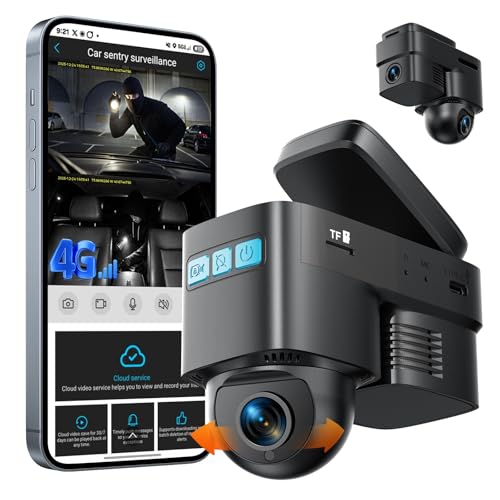
Volam 4G LTE Cellular Dash Cam with Live Streaming & GPS Tracking – Dual Car Security Camera with Remote Live View,Cloud Storage,AI Motion Detection,Sentry Mode, Anti-Theft Protection for Vandalism
[4G LTE CELLULAR CONNECTIVITY & LIVE STREAMING FROM ANYWHERE] Stay connected to your vehicle 24/7 with our advanced…
As an affiliate, we earn on qualifying purchases.
As an affiliate, we earn on qualifying purchases.
Frequently Asked Questions
How Does Data Privacy Differ at the Edge Compared to Centralized Data Centers?
You handle data privacy at the edge differently because data stays closer to its source, reducing risk during transmission. This approach means you can process sensitive information locally, limiting exposure to potential breaches. In contrast, centralized data centers require you to transfer and store large amounts of data, increasing vulnerability. By managing data locally, you gain more control, enhance privacy, and comply better with regulations, ensuring your data remains protected.
What Are the Best Tools for Automating Data Lifecycle Management at the Edge?
You should consider tools like EdgeX Foundry, Balena, or KubeEdge for automating data lifecycle management at the edge. These platforms enable you to efficiently collect, process, and store data locally while ensuring seamless integration with cloud systems. They offer automation features for data filtering, retention, and security, helping you maintain data integrity and privacy. Using these tools streamlines your edge operations, reduces latency, and optimizes resource use effectively.
How Can Edge Devices Ensure Data Integrity During Transmission?
A stitch in time saves nine, and maintaining data integrity during transmission is vital. You can guarantee this by using strong encryption protocols like TLS, which secure data as it travels. Additionally, implementing checksums or hashes verifies data accuracy upon receipt. Regularly updating firmware and employing error detection methods help prevent corruption. These steps keep your data trustworthy, making sure your edge devices operate smoothly and reliably.
What Are Common Challenges in Real-Time Data Processing at the Edge?
You face challenges like limited bandwidth, which can slow data transmission and cause delays. Processing power on edge devices is often constrained, making it hard to analyze data quickly. You also encounter issues with inconsistent connectivity, risking data loss or corruption. Managing hardware failures and ensuring security are additional hurdles. To overcome these, optimize algorithms for efficiency, implement robust error handling, and use reliable connectivity solutions.
How Does Data Lifecycle Management Impact AI Model Accuracy Over Time?
Think of data lifecycle management as the steady hand guiding your AI’s compass. It guarantees your models stay sharp by regularly updating and cleaning data, preventing drift. Without it, your AI could become a rusty machine, losing accuracy over time. Effective management keeps your models fresh, reliable, and precise, turning raw data into a trustworthy guide—like a lighthouse that always points true, even amid shifting waters.

Data Transformation for the AI Era: Building the Intelligence Fabric of the Enterprise. The 6×6 Blueprint for Data Sovereignty and Trusted Analytics. … series for enterprise transformation)
As an affiliate, we earn on qualifying purchases.
As an affiliate, we earn on qualifying purchases.
Conclusion
By effectively managing the data lifecycle for edge AI workloads, you guarantee ideal performance and security. Some might worry it adds complexity, but streamlining data processes actually simplifies your operations and boosts efficiency. Embracing proper management means you’re better prepared for rapid decision-making and scalability. Don’t let concerns hold you back — taking control of your data lifecycle empowers you to open the full potential of your edge AI applications, driving innovation and competitive advantage.

Faxoimu AI Translation Earbuds Real Time, 3-in-1 Translator Earbuds, 80H Playtime Translating Device, 144 Language Translator Earbuds for iPhone and Android, for Travel/Business/Meeting/Learning
Supports 144 languages worldwide: This translation earpiece employs advanced AI translation technology, enabling real-time interpretation across 144 languages…
As an affiliate, we earn on qualifying purchases.
As an affiliate, we earn on qualifying purchases.

HEARTSINE DATA MANAGEMENT SOFTWARE
Part Number: PAD-ACC-02
As an affiliate, we earn on qualifying purchases.
As an affiliate, we earn on qualifying purchases.