TL;DR
The U.S. government has lifted export controls on an advanced AI model developed by Anthropic, marking a shift in AI trade policy. The move could impact global AI development and international partnerships.
The White House has lifted export controls on an advanced AI model developed by Anthropic, a major move that allows the company to sell and share its technology internationally without U.S. government restrictions. This decision signals a significant shift in U.S. AI export policy, impacting global AI development and partnerships.
According to an official statement from the White House, the export restrictions on Anthropic’s AI model have been removed after a review process. The move was reportedly motivated by a desire to promote technological innovation and maintain competitive positioning in the global AI market.
Anthropic, a leading AI research company based in the United States, had faced export restrictions that limited its ability to share its most advanced models with international partners. The lifting of these controls now allows for broader collaboration and sales outside the U.S., potentially accelerating AI deployment worldwide.
While the White House has not disclosed specific details about the criteria or the review process that led to this decision, officials emphasized that the move aligns with broader efforts to balance innovation with security concerns.
Implications for Global AI Competition
This decision could significantly influence the global AI landscape by enabling international partners to access Anthropic’s advanced models. It may enhance U.S. competitiveness in AI technology, foster international collaboration, and potentially reshape existing export control policies for emerging technologies.
Industry analysts suggest that lifting export restrictions could lead to increased innovation and faster deployment of AI applications across sectors such as healthcare, finance, and defense. However, it also raises questions about oversight and the potential for misuse or proliferation of powerful AI models.
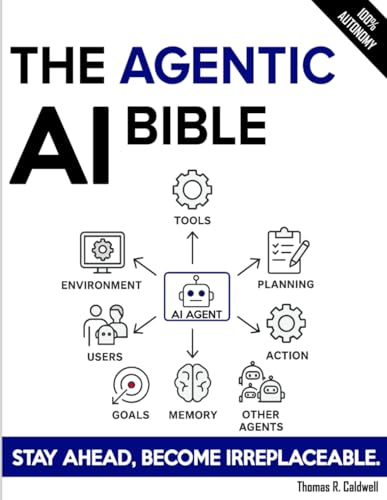
The Agentic AI Bible: The Complete and Up-to-Date Guide to Design, Develop, and Scale Goal-Driven, LLM-Powered Agents that Think, Execute and Evolve
As an affiliate, we earn on qualifying purchases.
As an affiliate, we earn on qualifying purchases.
Background on U.S. AI Export Controls and Anthropic
U.S. export controls on advanced AI models have historically aimed to prevent the proliferation of sensitive technologies that could threaten national security. These restrictions have often targeted companies developing cutting-edge AI, including Anthropic, founded in 2020 by former OpenAI employees.
In recent years, the U.S. government has tightened restrictions on some AI exports amid concerns over geopolitical competition and AI safety. However, the recent decision to lift controls on Anthropic’s model indicates a potential shift towards more flexible export policies for certain technologies deemed to have strategic importance.
Prior to this move, Anthropic had limited its international collaborations due to export restrictions, which hampered its ability to expand globally and partner with foreign entities.
“The decision to lift export controls reflects our commitment to fostering innovation while maintaining necessary safeguards.”
— White House spokesperson

AIPI-Lite AI Robot, Smart Customizable Character with Voice Cloning, GPT Model Access, Memory Storage, and Real-Time Interactive Reactions
Fully Customizable AI Companion: Define unique roles and personalities with simple text—no coding needed. Shape your AI’s behavior,…
As an affiliate, we earn on qualifying purchases.
As an affiliate, we earn on qualifying purchases.
Unresolved Details on Oversight and Future Restrictions
It is not yet clear how the U.S. government will monitor or regulate the international use of Anthropic’s AI model following the lift of export controls. Specific safeguards, compliance measures, or future restrictions remain undefined.
Additionally, the criteria used to determine which models qualify for removal from export controls are not publicly disclosed, leaving questions about how similar decisions might be made for other technologies.

AI Tools for Everyday Tasks: The Complete Beginner’s Guide To Working Smarter with AI
As an affiliate, we earn on qualifying purchases.
As an affiliate, we earn on qualifying purchases.
Next Steps in Policy and Industry Response
Following this decision, Anthropic is expected to initiate or expand international partnerships and sales. The U.S. government may also review and potentially adjust export policies for other AI models based on evolving security and innovation priorities.
Industry stakeholders will likely monitor regulatory developments closely, and policymakers may issue further guidelines or oversight mechanisms to address emerging risks associated with AI proliferation.

Enterprise AI Solutions Architecture: The Practitioner’s Handbook for Designing, Delivering, and Scaling Production AI Systems
As an affiliate, we earn on qualifying purchases.
As an affiliate, we earn on qualifying purchases.
Key Questions
What does lifting export controls on Anthropic’s AI model mean?
It allows Anthropic to sell and share its advanced AI technology internationally without U.S. government restrictions, potentially boosting global AI development and partnerships.
Why did the White House decide to lift these controls?
Officials cited a desire to promote innovation and maintain global competitiveness while balancing security considerations.
Are there any new regulations or safeguards now in place?
Details about oversight mechanisms or future restrictions have not been publicly disclosed, and it is unclear how the government will ensure safe use abroad.
How might this affect international AI development?
It could accelerate AI deployment and innovation globally by enabling access to cutting-edge models, but also raises concerns over oversight and misuse.
Will other AI models be affected by this policy change?
It is uncertain. The decision appears specific to Anthropic’s model, but it may influence future policy decisions regarding other advanced AI technologies.
Source: google-trends