TL;DR
AI-powered study planners tailor study schedules to your strengths, automate task management, and provide real-time feedback. They make studying smarter, not harder, with ongoing innovations driving better outcomes.
Imagine having a study buddy who knows your strengths, weaknesses, and schedule better than you do. That’s what AI-powered study planners aim to do. They’re not just digital calendars—they use artificial intelligence to craft your perfect study plan, adjust as you go, and keep you motivated.
Whether you’re cramming for exams or trying to stay on top of coursework, these tools promise a smarter way to learn. But what exactly makes them so effective? Let’s explore how they work, what’s new, and how you can make the most of them.
AI-powered study planners personalize your schedule by analyzing your habits and adjusting dynamically as you learn.
Latest AI tech allows real-time feedback, voice interaction, and seamless platform integrations for a smoother experience.
Choosing the right planner depends on your learning style, tech needs, and privacy preferences.
These tools boost efficiency—cutting down study time while improving retention and scores.
Always prioritize privacy and remember: AI planners support, they don’t replace, human guidance.
How AI-powered study planners personalize your learning like a pro
AI study planners analyze your past study habits, strengths, and weaknesses. They then generate a schedule tailored specifically for you. For example, if you’re better at memorizing in the mornings, the planner slots your toughest subjects then.
As you progress, these tools adjust plans dynamically. Say you’re falling behind on math—your planner might suggest extra review sessions or shift focus to easier topics temporarily. This adaptability keeps you efficient and less overwhelmed.
One real-world scenario: a student preparing for the SAT uses an AI planner that identifies weak areas, like geometry, and automatically increases practice time there, boosting scores by up to 15%. The key is personalization that evolves as you do.

The AI-Driven Leader: Harnessing AI to Make Faster, Smarter Decisions
As an affiliate, we earn on qualifying purchases.
As an affiliate, we earn on qualifying purchases.
Top 3 features that make AI study planners a game-changer
| Feature | What It Does | Why It Matters |
|---|---|---|
| Personalization & Adaptability | Creates custom schedules based on your learning style. | Maximizes efficiency by focusing on your needs, not generic plans. This means your study time is used more effectively, which can lead to better retention and less burnout. However, over-reliance on automation might reduce your ability to develop self-regulation skills if not balanced properly. |
| Automation & Reminders | Automates task prioritization, sends alerts for upcoming sessions. | Reduces mental clutter—no more forgetting important deadlines. Yet, excessive automation might cause dependency, so it’s crucial to balance automated alerts with personal accountability to maintain self-discipline. |
| Data-Driven Insights | Analyzes your performance, suggests improvements. | Turns your study time into a science—more effective, less wasted effort. This can help identify patterns you might not notice, like times of day when you’re most alert. The tradeoff is that data collection requires trust and privacy, which must be managed carefully. |

24 Inch Touchscreen Digital Calendar, Wall Planner, Desktop Smart Electronic Calendar, 8GB+128GB Android OS, Supports Google Play Apps, Office Desk Assistant & Family Schedules, Wall/Desk Stand
- Calendar Type: Wall and desktop digital calendar
- Sync Capabilities: Syncs multiple Google Calendar accounts
- Operating System: Android 13 open system
As an affiliate, we earn on qualifying purchases.
As an affiliate, we earn on qualifying purchases.
What’s new? The latest tech powering smarter study plans
Recent advances have pushed AI-powered study planners into new territory. Machine learning algorithms now better understand individual learning patterns, making suggestions more precise.
Integration with voice assistants and chat interfaces means you can plan or ask questions hands-free—think of chatting with your planner during a walk or while cooking. Real-time feedback systems adapt your schedule instantly based on how well you’re doing.
For example, a platform connected with Coursera can suggest additional resources or quizzes right after you complete a module, helping reinforce learning immediately. These innovations mean your study plan can become more intuitive and responsive, but they also raise questions about over-reliance on technology and the importance of maintaining a balanced study approach.
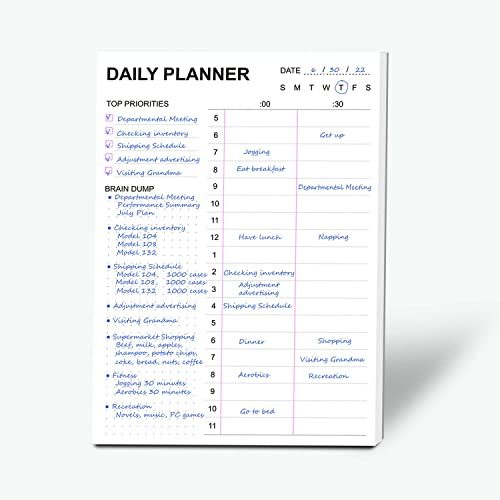
Tiankool To Do List Notepad – Daily To Do List with Priorities, Hourly Scheduler and Notes – Daily Planner Notepad for Work, Study, Appointments, 60 Tear Off Sheets Planning Pad, 7×10 Inch
- Size and Sheets: 7×10 inch undated planner with 60 sheets
- Comprehensive Daily Planning: Includes hourly schedule, priorities, and notes
- Enhances Productivity: Helps organize tasks and responsibilities daily
As an affiliate, we earn on qualifying purchases.
As an affiliate, we earn on qualifying purchases.
Real-world example: How one student improved grades with AI planning
Meet Lisa, a college sophomore juggling three courses. She started using an AI study planner that linked with her university’s LMS. Within weeks, she cut her study time by 20% while boosting her quiz scores by 10%.
The planner identified her quick recall in science but weakness in history. It scheduled more review sessions for history and set reminders. Her confidence soared, and her grades followed suit.
This demonstrates how AI tools, by providing targeted insights and personalized schedules, can transform guesswork into focused, effective study sessions. It also highlights the importance of choosing tools that adapt to your unique learning profile, which can significantly impact your academic outcomes.

AI for Educators Made Easy: Unlock the Power of Artificial Intelligence to Enhance Teaching Effectiveness, Boost Student Engagement, and Embrace Ethical Practices
As an affiliate, we earn on qualifying purchases.
As an affiliate, we earn on qualifying purchases.
3 tips for choosing the right AI study planner for you
- Check for personalization features: Does it adapt based on your progress? Consider whether the tool can recognize your evolving strengths and weaknesses and adjust accordingly. This is crucial because static plans can become ineffective as your learning needs change.
- Look for integration options: Can it connect with your favorite learning platforms? Compatibility with tools like Coursera, Khan Academy, or LMS systems ensures seamless data flow, which enhances the planner’s ability to provide relevant, timely suggestions. However, integration complexity can sometimes lead to technical issues, so assess the reliability of these connections.
- Prioritize ease of use: Is the interface simple and engaging? A user-friendly design encourages consistent use, which is essential for long-term benefits. An overly complicated interface might discourage regular engagement, reducing the planner’s effectiveness.
For instance, if you thrive on gamified progress tracking, pick a planner with badges or streaks. If you need structure, opt for detailed analytics and goal-setting tools.
What to watch out for: Limitations and privacy concerns
AI study planners are powerful, but not perfect. They rely on your data, so privacy matters. Always choose platforms with transparent privacy policies and strong encryption.
Additionally, consider the potential for data misuse or breaches. Even with encryption, sensitive information can be vulnerable if the platform doesn’t follow strict security protocols. It’s important to weigh the convenience of AI tools against the risk of personal data exposure.
Remember, these tools are designed to augment your learning—over-reliance on them might diminish your ability to develop independent study skills. Striking a balance between automation and active engagement is key to maximizing benefits while safeguarding your privacy and autonomy.
Frequently Asked Questions
How do AI-powered study planners improve my learning?
They craft personalized schedules based on your strengths and weaknesses, optimize your study times, and adapt as you progress. This targeted approach makes learning more efficient and less frustrating.
Are AI study planners suitable for all types of learners?
Yes, most are flexible and customizable. Whether you’re a visual learner, a night owl, or someone who needs extra motivation, these tools can be tailored to fit your style.
How secure is my data with these tools?
Data privacy varies—look for platforms that use encryption and transparent policies. Reputable apps prioritize your security, but always read their privacy terms before sharing sensitive info.
Can AI study planners replace human tutors or teachers?
They’re designed to support your learning, not replace human instruction. Think of them as organizational assistants that free up time for more personalized help from educators.
What features should I look for in an AI study planner?
Prioritize personalization, ease of use, platform integration, progress tracking, and motivational tools. These features ensure the planner genuinely enhances your study routine.
Conclusion
AI-driven study planners aren’t just fancy apps—they’re becoming essential tools for smarter learning. They adapt, motivate, and streamline your path to success.
Next time you sit down to study, consider if one could help you work faster and smarter. Because in today’s fast-paced world, learning effectively isn’t a luxury—it’s a necessity.