
TL;DR

Get business pricing on tech for your team
- Business-only prices and quantity discounts
- Tax-exempt purchasing
- Multiple users, one account, clear invoices
An AI-generated poster has won this year’s Ohio State Fair art contest. The victory highlights growing acceptance of AI in creative competitions. Details about the AI’s involvement and contest rules are still emerging.
The Ohio State Fair has announced that an AI-generated poster has won its annual art contest, marking a rare instance of artificial intelligence being recognized in a mainstream competition. The victory has sparked discussions about AI’s role in creative fields and contest eligibility criteria. This development is confirmed and publicly acknowledged by Ohio State Fair officials, making it a notable milestone in AI’s integration into traditional art contests.
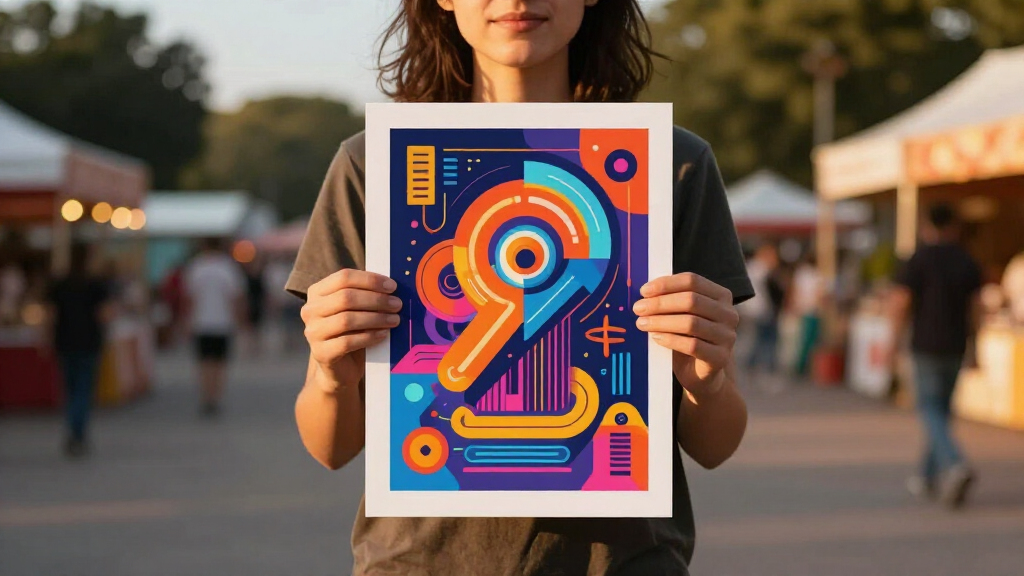
The winning poster was created using an AI art generation tool, according to the Ohio State Fair organizers. The contest rules, which traditionally required human artists to submit original work, were reportedly updated or interpreted to allow AI-generated entries, though details are still being clarified. The AI poster features a vibrant, abstract design that impressed judges and the public alike, leading to its selection as the winner. The creator of the AI tool involved has not been publicly identified, and the fair has not disclosed whether the AI was operated by a human artist or autonomously.
Officials from the Ohio State Fair confirmed that the AI-generated poster was judged alongside human entries and received the highest score based on creativity and visual impact. The decision has garnered mixed reactions, with some praising the innovation and others raising questions about artistic authenticity and contest fairness. The winner will be displayed at the fair through the end of the event, and the contest organizers are expected to provide further clarification on future rules and AI participation policies soon.
Implications of AI Winning a Major Art Contest
This victory signifies a potential shift in how creative competitions may approach AI involvement, possibly leading to broader acceptance or stricter rules. It raises questions about the definition of originality and the role of artificial intelligence in artistic expression. For the public and artists alike, it signals an evolving landscape where AI could become a common participant in creative fields, prompting discussions about intellectual property, authenticity, and the future of art competitions.
As an affiliate, we earn on qualifying purchases.
Background on AI in Art and Competition Rules
AI-generated art has been increasingly prominent over the past few years, with tools like DALL·E, Midjourney, and Stable Diffusion gaining popularity among artists and hobbyists. However, traditional art competitions have generally required human creators to submit original work, with rules often explicitly excluding AI-generated entries. The Ohio State Fair’s decision to accept an AI-created poster marks a departure from previous standards, though details about the contest’s rules and how they were interpreted remain unclear. This development follows a broader trend of AI’s growing influence in creative industries, raising ongoing debates about originality, authorship, and the boundaries of artistic expression.
“We are proud to recognize innovation and creativity, and this year’s winner exemplifies how technology can be part of artistic expression.”
— Ohio State Fair spokesperson
As an affiliate, we earn on qualifying purchases.
Unanswered Questions About Contest Rules and AI Involvement
It is not yet clear whether the Ohio State Fair officially revised its rules to explicitly include AI-generated art or if the winning entry was accepted under a broader interpretation of existing rules. The identity of the AI tool used, the level of human guidance involved, and whether future contests will allow similar entries remain uncertain. Additionally, the public and artists are debating whether this victory sets a precedent or if it was a unique case.
As an affiliate, we earn on qualifying purchases.
Next Steps for Contest Policies and Public Discourse
The Ohio State Fair organizers are expected to clarify the contest rules regarding AI participation in upcoming announcements. There may also be discussions within the artistic community about establishing standards for AI-generated art in competitions. Meanwhile, other festivals and contests might observe this development to decide whether to embrace or restrict AI involvement in their own events. The broader conversation about AI and creativity is likely to continue intensively in the coming months.
As an affiliate, we earn on qualifying purchases.
Key Questions
How was the AI-generated poster created?
The poster was created using an AI art generation tool, guided by a human operator who selected prompts and parameters. The final image was produced by the AI system based on those inputs.
Did the contest rules explicitly allow AI art?
It is not yet confirmed whether the rules were officially amended or if the entry was accepted under a flexible interpretation. The organizers have indicated a focus on creativity and impact, regardless of creation method.
Who developed the AI tool used for the poster?
The specific developer or platform has not been publicly disclosed. The AI system was operated by a human artist or participant who guided the process.
Could this lead to more AI entries in future contests?
Potentially, as organizers and artists consider the implications, future policies may either embrace AI participation or impose restrictions. The Ohio State Fair is expected to clarify its stance soon.
What does this mean for traditional artists?
This development may prompt artists to rethink how they compete and showcase originality, as AI becomes a more accepted tool in creative work. The ongoing debate about authenticity and authorship is likely to intensify.
Source: hn
Fall Picks
fall essentials
As an affiliate, we earn on qualifying purchases.