
TL;DR
South Korea’s National Court Administration reported that about 80% of responding judges handling civil, family and administrative cases had encountered false or nonexistent citations. The survey covered 360 judges, and respondents said the material appeared in filings from both litigants and lawyers. The findings measure judges’ reported experience, not the prevalence of fake citations across all court filings.
The court administration, an administrative arm of the Supreme Court, surveyed judges at courts of all levels between October 6 and 16. Its release said AI-generated hallucinations can produce citations to nonexistent decisions and create an unnecessary verification burden for opposing parties, potentially slowing proceedings. The results were published on November 2.

Get business pricing on tech for your team
- Business-only prices and quantity discounts
- Tax-exempt purchasing
- Multiple users, one account, clear invoices
Among judges who reported encountering false citations in the relevant case categories, 196 (80.7%) identified precedents that did not exist, while 159 (65.4%) identified real precedents cited with false content. Respondents could select more than one type. The survey also recorded reports of false or nonexistent statutes and academic materials.
The often-repeated “eight in ten” figure does not describe all 360 respondents. The source release applies it to judges handling civil, family and administrative cases. South Korean newspaper Kyunghyang Shinmun reported that 243 of all 360 respondents (67.5%) had encountered fake citations. The survey measures judges’ reported experience; it does not establish how many court filings contain false material.
On who submitted the material, 164 judges (69.5%) identified litigants representing themselves, and 136 (57.6%) identified lawyers acting as representatives or defense counsel. These are responses to a survey question, not counts of distinct filings or findings of professional misconduct.
Fake legal citations and AI What Korean judges reported
A survey found that many responding judges had encountered false or distorted legal citations. It records their reported experience, not the share of court filings containing false material.
What judges encountered
Among judges who reported false citations in the relevant case categories, respondents could select multiple types.
Citations to decisions that do not exist
196 judges identified precedents that could not be found.
Real rulings with false content
159 judges identified real precedents presented with inaccurate content.
Litigants and lawyers
Judges named both self-represented litigants and lawyers. These responses do not establish intent or misconduct.
What measures judges favored
These are reported preferences, not rules already in force.
What happens next
The National Court Administration plans to propose procedure-law changes that provide for fines.
The details and safeguards for any amendments remain to be seen.
The available information does not confirm that proposed measures have been enacted.
False citations can have causes beyond AI, and an error alone does not prove intent.
Pressure for Rules on Court Citations
The findings point to a practical problem for courts: a citation that looks plausible may require judges and opposing parties to spend time checking whether a decision exists and whether it says what a filing claims. The administration’s release warned that this work can burden the opposing party and interfere with the speedy progress of trials.
Judges surveyed favored an institutional response: 91.7% supported one, according to the source material. The most selected measures were a legal basis for fines (61.4%), a duty to verify citations (61.1%) and a duty to disclose AI use (60.6%). The figures record judges’ preferences; they do not mean those requirements are already in force or that a bill has been enacted.
The issue reaches beyond AI tools. False citations can also result from other errors or misrepresentation, and the survey includes distorted accounts of real rulings as well as nonexistent decisions. Any rules that follow will need to address the accuracy of legal citations without treating every mistake as proof of AI use or intentional misconduct.
Products Worth Considering
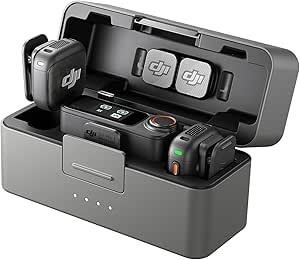
DJI Mic 3 (2 TX + 1 RX + Charging Case) Wireless Microphone

Samsung Galaxy Tab A11+ Kids Edition, 128 GB Android Tablet, Royal Blue
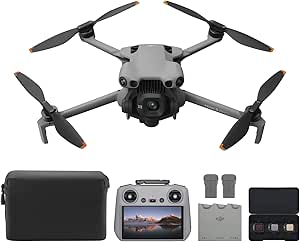
DJI Mini 5 Pro Fly More Combo with DJI RC 2
As an affiliate, we earn on qualifying purchases.
What the Survey Actually Measured
The National Court Administration’s four-page release, titled “Results of the survey on citations of AI-generated false precedents and similar material,” says judges were asked about cases they had encountered. It does not say how many judges were invited, provide the full question wording or establish a rate of false citations among all filings. Its results therefore describe respondents’ reported experiences, not a measured share of court documents.
The administration listed examples including AI-generated judgments formatted to resemble Supreme Court decisions, unfamiliar reasoning attached to Supreme Court case numbers, and real rulings whose holdings were altered or described contrary to their meaning. The source material also describes text resembling an unedited AI chat, but the survey release’s examples should not be read as proof that every false citation was generated by AI.
Care is also needed with translations. Yonhap’s English-language account, republished by The Korea Herald, was reported in the source material as saying 164 judges had cited false precedents themselves. The Korean wording instead identifies the litigants themselves as the source named by those judges. The discrepancy illustrates why translated accounts should be checked against the original release.
The source article places South Korea’s discussion alongside sanctions or regulatory referrals involving lawyers in New York and London. Those examples provide international context, but they do not establish that South Korea has adopted the same approach.
Limits of the Survey Findings
The administration did not state how many judges received the survey, publish the full question wording or provide a filing-by-filing audit. It is therefore unclear how representative the responses are of judges nationwide or how often false citations occur in court documents. The results also do not determine whether a particular error was intentional, caused by AI or made for another reason.
The headline percentage needs its denominator: about 80% applies to responding judges in civil, family and administrative cases; the reported all-respondent figure is 67.5%. The source material does not establish whether the administration will publish further data or how any proposed duties and penalties would be defined.
Proposed Changes to Procedure Laws
The National Court Administration plans to propose changes to South Korea’s Civil and Criminal Procedure Acts to provide for fines, according to the source material. The survey’s other popular options—citation-verification duties and disclosure of AI use—are recorded as judges’ preferred measures; the available information does not confirm their final form or whether they will be included in legislative proposals.
The next developments to watch are whether the administration submits specific amendments, how lawmakers respond and what safeguards any new rules would include. Until those details emerge, the survey is evidence of judges’ reported encounters and policy preferences, not a new legal requirement for litigants or lawyers.
Key Questions
What did the South Korean judges’ survey find?
The National Court Administration reported that about 80% of responding judges handling civil, family and administrative cases had encountered false or nonexistent precedent citations. The survey included 360 judges overall.
Does the 80% figure apply to all 360 judges?
No. The 80% figure applies to responding judges in specified civil, family and administrative case areas. Kyunghyang Shinmun reported that 243 of the 360 respondents (67.5%) had encountered fake citations.
Did judges say lawyers submitted false citations?
Yes. The survey results say 136 judges (57.6%) identified lawyers acting as representatives or defense counsel as a source. Another 164 judges identified litigants themselves. These are survey responses, not findings that every named person acted deliberately.
Has South Korea made AI citation disclosure mandatory?
The available source material does not say that. Judges supported a duty to disclose AI use, and the National Court Administration plans to propose procedure-law changes that include a basis for fines. No enacted requirement is reported.
Does the survey show how many court filings contain fake citations?
No. It records judges’ reported experiences and does not provide an audit or rate for all filings. It also does not establish whether each false citation was generated by AI.
Source: Thorsten Meyer AI