
TL;DR

Get business pricing on tech for your team
- Business-only prices and quantity discounts
- Tax-exempt purchasing
- Multiple users, one account, clear invoices
Pollen Robotics has introduced Microduck, an AI-enabled robot, on the Hugging Face platform. This development aims to enhance accessibility and collaboration in robotics. Details about its capabilities and deployment are still emerging.
Pollen Robotics, in partnership with Hugging Face, has officially launched Microduck, an AI-enabled robot designed for versatile applications. The launch was announced on March 2024, marking a notable development in the field of accessible robotics technology. This move aims to democratize robotics development by making advanced AI tools more widely available to developers, researchers, and hobbyists.
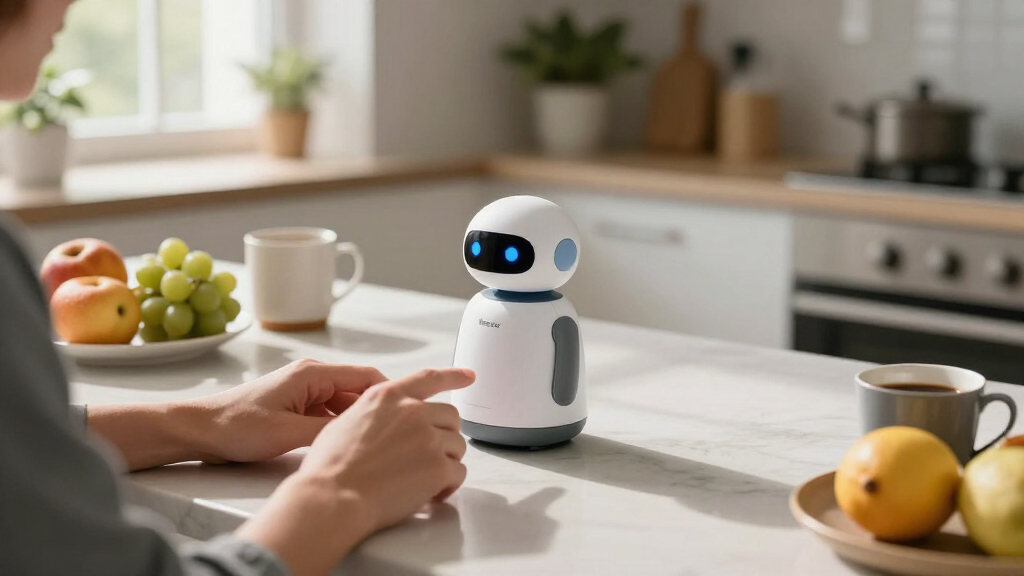
Microduck is described as a compact, adaptable robot equipped with AI capabilities that allow it to perform a variety of tasks, from basic navigation to complex interactions. According to Pollen Robotics, the robot is designed to be user-friendly, with an open-source approach facilitated through the Hugging Face platform, enabling developers to customize and extend its functionalities.
While specific technical specifications have not been fully disclosed, Pollen Robotics emphasizes Microduck’s modular design, which supports various sensors and actuators. The robot’s AI core is built on open-source frameworks, aligning with Hugging Face’s mission to promote AI accessibility. The launch was accompanied by a set of online tutorials and developer resources aimed at fostering community engagement.
Industry analysts see this as a strategic move to position Microduck as a versatile tool for education, research, and small-scale commercial use. The partnership with Hugging Face is particularly notable, as it leverages a well-established platform known for its AI models and developer community, potentially accelerating Microduck’s adoption and development ecosystem.
Potential Impact of Microduck on Robotics Accessibility
The introduction of Microduck on Hugging Face could significantly lower the barriers to entry in robotics development. By providing an open-source, AI-powered platform, Pollen Robotics aims to enable a broader range of users—educators, students, researchers, and small startups—to experiment with robotics without the need for extensive resources or proprietary technology. This could accelerate innovation and foster a more collaborative environment in the robotics community.
Furthermore, Microduck’s modular and customizable design aligns with current trends toward flexible, scalable robotics solutions. Its deployment on Hugging Face, a platform with a large and active AI developer base, suggests potential for rapid growth in applications and community-driven improvements, which could influence future robotics development standards.
However, the actual impact will depend on how widely Microduck is adopted and how effectively the community can leverage its capabilities. The open-source nature also raises questions about security, support, and long-term sustainability, which remain to be seen.
As an affiliate, we earn on qualifying purchases.
Background on Pollen Robotics and Hugging Face Collaborations
Pollen Robotics has been active in developing robotics solutions focused on automation, service, and research applications. Prior to Microduck, the company has released various robotic platforms, often emphasizing ease of use and integration with AI technologies.
Hugging Face, established as a leader in democratizing AI through open-source models and tools, has expanded into supporting robotics projects by providing a platform for sharing models, code, and community collaboration. Their partnership with Pollen Robotics to launch Microduck builds on this foundation, aiming to create a more integrated ecosystem for AI-enabled robots.
This collaboration follows a broader industry trend toward open-source robotics and AI integration, with several companies and research institutions advocating for more accessible development environments. The timing aligns with increased interest in DIY and educational robotics, especially as AI tools become more user-friendly and widespread.
modular robotics kit for beginners
As an affiliate, we earn on qualifying purchases.
As an affiliate, we earn on qualifying purchases.
Unanswered Questions About Microduck’s Capabilities and Adoption
While the launch has generated interest, many technical details about Microduck’s hardware specifications, AI capabilities, and scalability remain undisclosed. It is also unclear how quickly and widely the platform will be adopted by the community, or how support and updates will be managed over time.
Additionally, the long-term impact on the robotics industry and whether Microduck will influence standard practices are still uncertain. Security concerns related to open-source AI robotics platforms have yet to be addressed publicly.
As an affiliate, we earn on qualifying purchases.
Next Steps for Microduck Development and Community Engagement
Following the launch, Pollen Robotics plans to release detailed technical documentation and developer tools through Hugging Face. Community engagement initiatives, such as hackathons and collaborative projects, are expected to promote Microduck’s adoption.
Industry observers will be watching for user feedback, early case studies, and potential updates to the platform. The company may also explore partnerships with educational institutions and small enterprises to expand Microduck’s reach.
In the coming months, further technical disclosures and community-driven developments are anticipated, which will help gauge Microduck’s impact on accessible robotics.
As an affiliate, we earn on qualifying purchases.
Key Questions
What is Microduck’s main purpose?
Microduck is designed to serve as an accessible, customizable AI-powered robot platform for education, research, and small-scale applications.
Is Microduck open-source?
Yes, Pollen Robotics emphasizes its open-source approach, facilitated through the Hugging Face platform, to encourage community development.
What hardware does Microduck use?
Specific hardware specifications have not been publicly disclosed, but the platform features a modular design supporting various sensors and actuators.
How can developers get involved?
Developers can access Microduck resources and tutorials on Hugging Face, participate in community forums, and contribute to ongoing projects.
When will more details be available?
Pollen Robotics plans to release further technical documentation and updates in the coming months, with ongoing community engagement efforts.
Source: hn
Halloween Picks
halloween
As an affiliate, we earn on qualifying purchases.