
AI-powered code reviews and automated code analysis help you improve code quality quickly and accurately. These tools analyze your code in real-time, spot issues, security vulnerabilities, and suggest improvements, saving you time and reducing manual effort. They can be customized to fit your project’s standards and integrated seamlessly into your workflow. By adopting these solutions, you’ll see faster development cycles and fewer bugs in production—explore further to discover how these innovations transform your development process.
Key Takeaways
- AI-driven code reviews automate static analysis, identify bugs, security issues, and code smells, improving code quality efficiently.
- Real-time feedback during development helps developers adhere to standards, optimize refactoring, and learn best practices quickly.
- Automated analysis accelerates review processes, reducing manual effort and ensuring consistency across large codebases and teams.
- Customizable AI tools align with project-specific standards, integrating seamlessly with various development environments and workflows.
- Overall, AI-powered reviews enhance software reliability, lower maintenance costs, and support continuous improvement and innovation.

AI-powered code reviews are transforming the way developers guarantee code quality and maintainability. Instead of manually sifting through lines of code, you can now leverage intelligent tools that automatically analyze your work, identify issues, and suggest improvements in real time. This shift not only accelerates the review process but also enhances accuracy by catching subtle bugs and potential vulnerabilities that might slip past human reviewers. With AI, you’re empowered to focus more on designing features and solving complex problems rather than getting bogged down in routine checks.
AI-driven code reviews streamline quality assurance, catching subtle issues and freeing developers to focus on innovation.
When you integrate AI-driven code review tools into your workflow, you gain immediate feedback. As you write or submit code, these systems evaluate it against best practices, coding standards, and security guidelines. They can flag inconsistencies, suggest refactoring, and highlight areas that could cause future problems. This instant feedback loop helps you learn and adapt faster, leading to higher-quality code from the outset. Over time, the AI models learn from your style and common patterns within your team, making their suggestions even more relevant and tailored. This continuous learning process ensures that the review process becomes more efficient and effective.
Automated code analysis powered by AI also reduces the tedious work of manual code inspections. You no longer need to spend hours reviewing every line for potential issues; the AI tools handle that for you. They can perform static analysis, detect code smells, and identify security vulnerabilities with impressive accuracy. This means fewer bugs make it into production, reducing the risk of costly fixes later. Additionally, because AI can process vast amounts of code quickly, it’s especially valuable in projects with large codebases or multiple contributors. It helps maintain consistency across the entire project, ensuring that everyone adheres to the same standards without the need for exhaustive manual checks.
Another benefit is the ability to customize AI tools to fit your project’s specific needs. Whether you’re working on a web app, mobile app, or embedded system, these tools can be tuned to prioritize certain rules or standards that matter most to you. This flexibility ensures that the review process aligns with your team’s goals and coding conventions. Plus, many AI-powered review systems integrate seamlessly with popular development environments and version control platforms, so you can incorporate automated reviews into your existing workflows without disruption. Furthermore, understanding the self-watering plant pots concept can inspire innovative solutions in automated systems, including AI-driven tools for code review that adapt over time to improve their suggestions.

XTOOL Advancer AD20 Pro AI-Assisted Wireless OBD2 Scanner Diagnostic Tool, Car Code Reader for iPhone&Android, All System Scan Tool with Free Updates -Check Engine, Oil Reset, Performance/Battery Test
【NO Subscriptions & Wide Vehicle Support】 AD20PRO OBD2 Scanner is built for simple, long-term ownership with no ongoing…
As an affiliate, we earn on qualifying purchases.
As an affiliate, we earn on qualifying purchases.
Frequently Asked Questions
How Do AI Tools Handle Proprietary or Sensitive Code?
You can trust AI tools with proprietary or sensitive code by ensuring they operate within strict security protocols. Many providers offer on-premises solutions, keeping your data local and protected. They often implement encryption, access controls, and regular audits to prevent data leaks. Always review the tool’s privacy policies and choose those with transparent security measures, so you can confidently use AI to improve your code without risking confidentiality.
Can Ai-Driven Reviews Replace Human Code Reviewers Entirely?
No, AI-driven reviews can’t fully replace human reviewers yet. You rely on AI for quick, consistent checks, but humans bring critical thinking, context understanding, and nuanced judgment that AI lacks. While AI can handle routine issues and flag potential problems, you still need human insight for complex decisions, ethical considerations, and understanding project-specific goals. Combining both gives you the best overall review process.
What Are the Limitations of Current Automated Code Analysis Tools?
Like Icarus flying too close to the sun, current automated tools can sometimes overreach, missing nuanced issues or context-specific bugs. They often struggle with understanding complex logic, human intent, or creative coding styles. You’re limited by predefined rules and patterns, so they can produce false positives or overlook subtle problems. While helpful, these tools can’t fully replace the expertise, intuition, and judgment that human reviewers bring to the table.
How Do AI Models Adapt to Evolving Coding Standards?
You can expect AI models to adapt to evolving coding standards through continuous learning and updates. By analyzing new code samples and incorporating user feedback, they identify patterns and adjust their algorithms accordingly. Regular retraining with recent data guarantees they stay current, helping you maintain coding quality and compliance. This adaptive process allows you to rely on AI tools that evolve alongside industry best practices and changing coding norms.
What Are the Best Practices for Integrating AI Reviews Into Workflows?
To effectively integrate AI reviews into your workflow, start by establishing clear goals and selecting compatible tools. Automate code checks early in the development process, and encourage your team to review AI suggestions critically. Regularly update the AI models to reflect evolving standards, and provide training on interpreting AI feedback. finally, foster open communication, so your team can optimize AI assistance and improve overall code quality seamlessly.
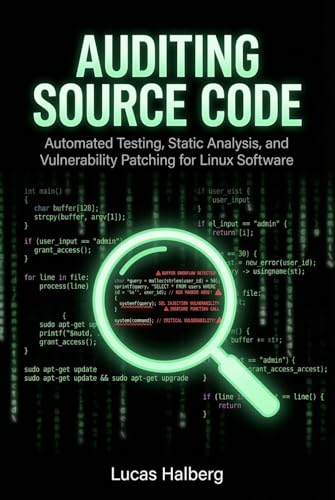
Auditing Source Code: Automated Testing, Static Analysis, and Vulnerability Patching for Linux Software (Secure Coding Standards)
As an affiliate, we earn on qualifying purchases.
As an affiliate, we earn on qualifying purchases.
Conclusion
As you embrace AI-powered code reviews, you’re stepping into a future where errors are caught faster and quality soars. But what if this technology unleashes even deeper insights—revealing bugs you never saw or optimizing your code in ways you never imagined? The possibilities are endless, and the next breakthrough could be just around the corner. Are you ready to harness this power and stay ahead in the ever-evolving world of software development?

KAXYUYA Hidden Camera Detector, Bug Signal Detector, GPS Tracker Finder, RF Listening Device Scanner, High Sensitivity, Portable Security Tool for Travel, Hotel, Home & Office
【Upgraded Smart Chip & High Sensitivity】 Equipped with the latest upgraded chipsets, this hidden camera detector offers stronger…
As an affiliate, we earn on qualifying purchases.
As an affiliate, we earn on qualifying purchases.
integrated development environment (IDE) code review plugins
As an affiliate, we earn on qualifying purchases.
As an affiliate, we earn on qualifying purchases.