
🔍 Read the full analysis: Bangladesh’s Wage Board Brings A New Chapter To Garment Pay Talks on ThorstenMeyerAI.com

Get business pricing on tech for your team
- Business-only prices and quantity discounts
- Tax-exempt purchasing
- Multiple users, one account, clear invoices
TL;DR
Bangladesh appointed a six-member board to set a new garment-sector minimum wage on Nov. 1, while workers were protesting for a monthly minimum of 30,000 taka. BGMEA reported walkouts disrupting 529 factories; they reopened the next day, but the board has not announced a meeting date or timetable for a new wage structure.
Bangladesh appointed a six-member garment wage board on Nov. 1 as protests over pay disrupted production across the industry, with workers demanding a monthly minimum of 30,000 taka. The owners’ association reported walkouts affecting 529 factories; factories had reopened by Monday, Nov. 2, according to Reuters, while the board had not announced when it would meet or propose a new wage.
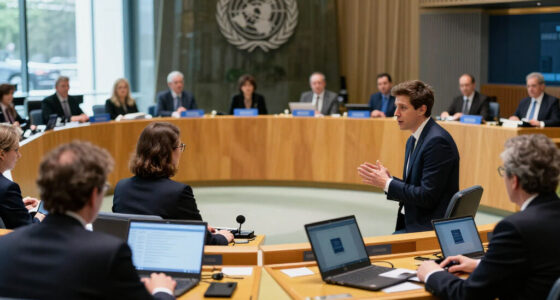
The Ministry of Labour and Employment issued two notifications establishing the board under the Bangladesh Labour Act, as amended in 2026. Its members include chair Sheikh Ashfaqur Rahman, an independent member, two employer representatives and two worker representatives. The chair is tasked with working out a minimum wage in consultation with the other members, The Daily Star reported.
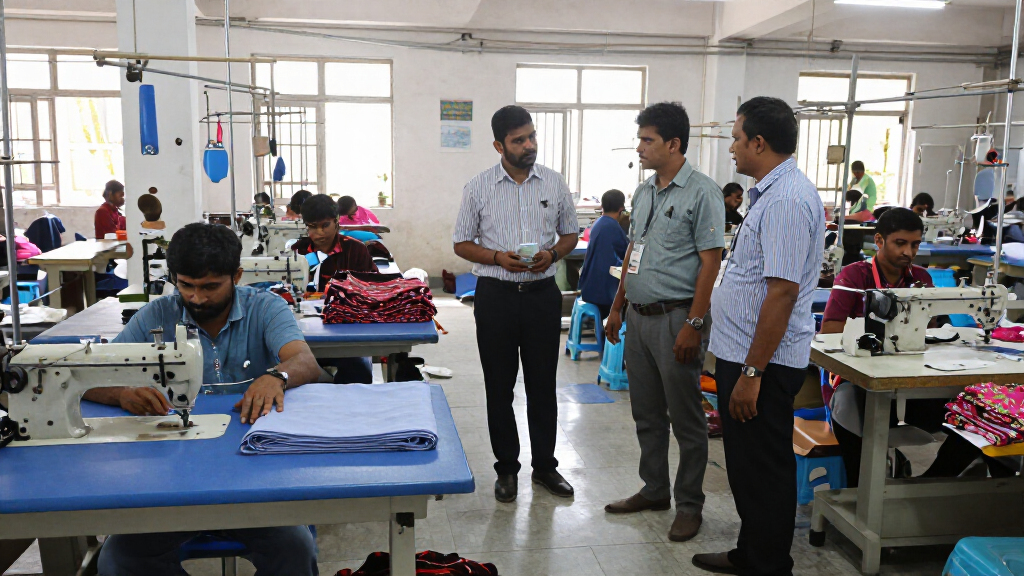
BGMEA’s situation report, cited by The Daily Star, counted disruptions at 529 of 2,134 factories across five industrial regions on Nov. 1. It said 987,190 workers had left their workplaces. These figures describe walkouts and disrupted operations, not factories closed by their owners. Reuters reported that production sites reopened the following day, while owners remained concerned about further unrest.
Workers are seeking 30,000 taka a month, or roughly $243 to $245, according to Reuters. The current minimum is 12,500 taka and has applied since December 2023. Factory owners have called the workers’ demand unsupported by a logical or mathematical basis, Reuters reported. Workers have said the present wage does not cover essential expenses.
Pay Talks Reach Export Factories
The wage dispute affects workers and an export industry whose production depends on maintaining operations across Bangladesh’s garment hubs. Labour Minister Ariful Haque Choudhury warned that prolonged disruption could delay export shipments and payments from foreign buyers, according to Reuters and Al Jazeera. The factories’ reopening eased the immediate stoppage, but does not resolve the disagreement over pay.
The talks also raise the question of how much of a wage increase can be passed through to international brands and retailers. Reuters quoted an economist and both sides pointing to buyers’ role in setting prices. A 2016 International Labour Organization survey found that Bangladeshi suppliers said 17% of their customers were willing to reflect minimum-wage increases in the prices they paid. That figure concerns respondents’ reports in that survey; it does not establish how buyers will respond to this wage round.
Any agreement could affect workers’ monthly income, manufacturers’ costs and the prices and sourcing decisions negotiated with buyers. Those effects remain uncertain until the board sets out a wage proposal and the parties respond.
Products Worth Considering

Samsung Galaxy Tab A11+ (6GB RAM, 128GB Storage) – Gray

Bose QuietComfort True Wireless Earbuds with Active Noise Cancellation, Bluetooth 5.3, USB-C Charging, IPX4, Black

Bose QuietComfort Wireless Noise-Cancelling Headphones, Sandstone
As an affiliate, we earn on qualifying purchases.
From Walkouts to a Wage Review
Protests had been building before the board was named. The Daily Star reported that workers had blocked roads from mid-October. On Oct. 21, protester Sharifa Begum told the newspaper: “Our only demand is either to lower the prices of essential commodities or raise our wages.”
On Oct. 31, about 30 factories around Ashulia declared holidays, according to Mohammad Mominul Islam Bhuiyan, superintendent of the Ashulia Industrial Police, cited by Reuters and Al Jazeera. Police reported clashes that injured several people, including officers. The next day, Reuters reported road blockades in Dhaka and Gazipur, and police use of tear gas and water cannon after bricks were thrown. A police vehicle and police box were set alight, and Border Guard Bangladesh personnel were deployed.
The 2026 amendment to the Labour Act shortened the interval between minimum-wage reviews from five years to three, The Daily Star reported. The current wage took effect in December 2023, making a review due under the new schedule. The board’s appointment came as protests were continuing, rather than after a new wage had been agreed.
““After paying rent, there is very little left for food, our children’s education and other essential expenses.””
— Garment worker Mahin Hossain, speaking to Reuters
Board Timetable Still Unset
The ministry notifications do not state when the board will hold its first meeting or when it will announce a new wage structure, The Daily Star reported. No public deadline was identified in the source reports. It is also not yet clear what wage figure the board will recommend, whether workers and employers will accept it, or how any increase would be implemented.
The BGMEA disruption count is an association’s report of factories where operations were affected and workers left their workplaces. It should not be read as a count of factories permanently closed. Factories reopened on Nov. 2, but Reuters reported that owners still expected the possibility of further unrest.
Next Steps for the Wage Board
The board is expected to consult its employer, worker and independent members and work toward a minimum-wage figure. The immediate public milestones to watch are the announcement of its first meeting, any proposed wage structure and the timing of a decision. None had been published in the reports available as of Nov. 2.
Workers and factory owners will also face the question of whether operations remain stable while talks proceed. The minister has urged workers to return and warned of potential shipment and payment delays if disruption continues. Further developments—including a board timetable, negotiations with the parties and any new protest activity—remain pending.
Key Questions
What did Bangladesh announce on Nov. 1?
The government appointed a six-member wage board to work out a new minimum wage for garment workers. The board includes worker, employer and independent representatives.
How much are garment workers demanding?
Workers are demanding a monthly minimum of 30,000 taka, about $243 to $245 according to Reuters. The existing minimum is 12,500 taka.
How many factories were affected by the walkouts?
BGMEA reported disruptions at 529 factories and said 987,190 workers left their workplaces on Nov. 1. Reuters reported that factories reopened on Nov. 2.
When will the board announce a new wage?
No meeting date or deadline for a new wage structure was included in the ministry notifications, according to The Daily Star. The timing and eventual wage figure remain unknown.
Source: ThorstenMeyerAI.com