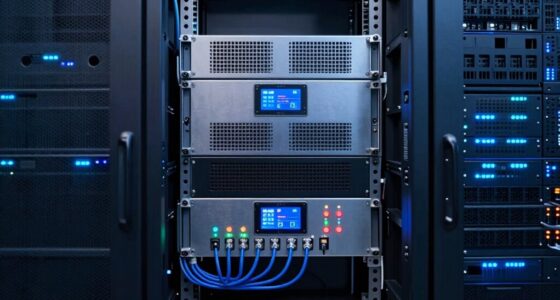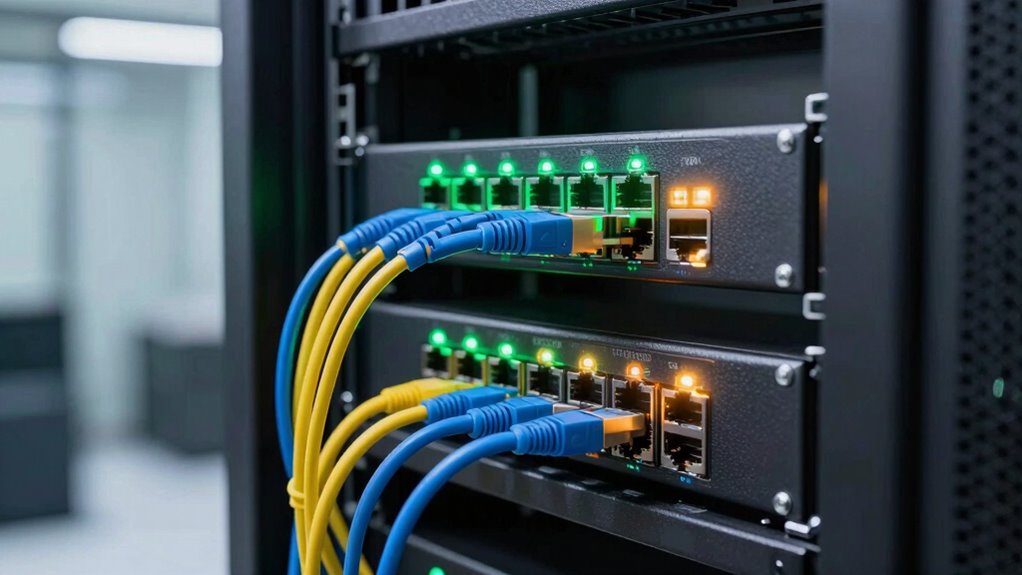

When choosing managed switches, prioritize features like network segmentation with VLANs to improve security and reduce congestion, and enable better traffic control. Make sure they offer robust monitoring and visibility tools to identify issues early and support effective management. Power redundancy features are essential to keep your network running during outages, boosting resilience. These features help you build a secure, reliable infrastructure that adapts to growing needs—discover more ways to optimize your network as you continue ahead.
Key Takeaways
- Prioritize network segmentation capabilities, such as VLAN support, to enhance security and traffic management.
- Ensure robust network monitoring and visibility features for early issue detection and performance insights.
- Implement power redundancy options to maintain network availability during outages.
- Support advanced security features like access controls and segmentation to contain breaches.
- Optimize switch management for scalability, automation, and simplified troubleshooting.
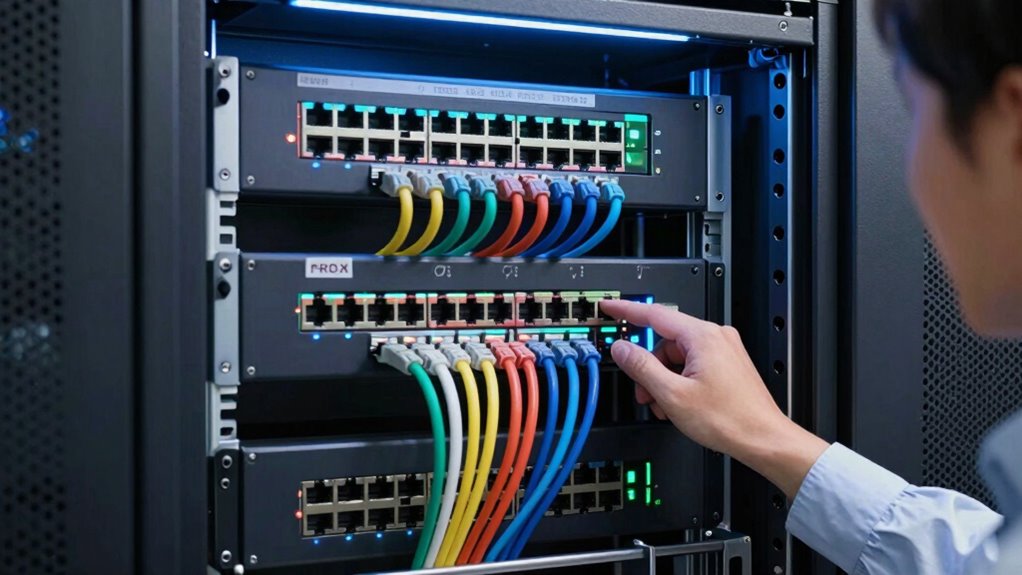
Are you leveraging the full potential of managed switches to optimize your network infrastructure? If not, you might be missing out on critical features that can enhance both security and reliability. Managed switches excel at providing granular control over your network, and two of their most essential features are network segmentation and power redundancy. These capabilities don’t just improve performance—they protect your infrastructure from failures and security breaches.
Network segmentation is fundamental for creating a secure, efficient network environment. With managed switches, you can divide your network into smaller, isolated segments, or VLANs, which help contain broadcast traffic and reduce congestion. This segmentation means that even if one segment experiences a security breach or a spike in traffic, it doesn’t affect the entire network. You gain better control over data flow and access, which is critical for compliance and safeguarding sensitive information. Plus, segmentation enhances performance by reducing unnecessary traffic, ensuring that critical applications get the bandwidth they need without interference from other network segments. As an infrastructure team, prioritizing network segmentation with managed switches means you can design a more resilient, secure, and manageable network. Additionally, understanding the importance of network monitoring can help you stay ahead of potential issues before they impact your network. Properly monitoring your network traffic can also assist in identifying security vulnerabilities early, further strengthening your defenses. Incorporating network visibility tools can give you a clearer picture of your entire network environment and help you make informed decisions. A comprehensive approach to network management can make your infrastructure more adaptable and easier to troubleshoot. Regularly reviewing network policies ensures your segmentation and monitoring strategies remain effective against evolving threats.
Network segmentation with VLANs improves security, reduces congestion, and enhances overall network performance.
Power redundancy is another feature that can make a significant difference in your network’s uptime. Power redundancy involves having backup power sources or dual power inputs for your switches, so if one power source fails, the switch continues to operate without interruption. This is especially important in environments where downtime can lead to costly outages or security vulnerabilities. Managed switches with power redundancy ensure continuous network availability, which is essential for maintaining productivity and avoiding downtime. When planning your infrastructure, investing in switches with this feature is a proactive step toward building a resilient network that withstands power failures or electrical issues. It minimizes the risk of network disruptions, preserving business continuity and user trust.
Incorporating these features into your network design isn’t just about keeping things running; it’s about strategically safeguarding your infrastructure. Prioritizing network segmentation helps control traffic, enhance security, and improve performance, while power redundancy ensures your network remains operational during power disturbances. Together, these features empower you to create a robust, secure, and reliable network environment. As an infrastructure team, understanding and leveraging these features allows you to optimize your network’s capacity and resilience, ultimately supporting your organization’s growth and security needs.

NETGEAR 8 Port PoE Gigabit Ethernet Easy Smart Managed Essentials Switch (GS308EP) – with 8 x PoE+ @ 62W, Desktop or Wall Mount
8 Gigabit Ethernet ports
As an affiliate, we earn on qualifying purchases.
As an affiliate, we earn on qualifying purchases.
Frequently Asked Questions
How Does a Managed Switch Differ From an Unmanaged Switch?
A managed switch differs from an unmanaged switch by offering advanced features like VLAN segmentation and port monitoring. With a managed switch, you can create separate virtual networks, enhancing security and traffic management. You also get the ability to monitor port activity for troubleshooting and security purposes. These features give you greater control and flexibility over your network, making managed switches ideal for complex or growing infrastructures.
What Security Features Are Essential in a Managed Switch?
You should prioritize security features like VLAN segmentation and port security in a managed switch. VLAN segmentation isolates traffic, reducing risks of data breaches across network segments. Port security limits access to specific devices by controlling MAC addresses, preventing unauthorized connections. These features work together to safeguard your network, enhance control, and prevent potential attacks, ensuring your infrastructure remains secure and well-managed.
Can Managed Switches Support Future Network Upgrades?
Yes, managed switches can support future network upgrades, but only if they’re designed for scalability. You need switches that allow seamless network expansion, enabling you to add more devices or increase bandwidth without major disruptions. Firmware updates are essential here—they keep your switches compatible with evolving standards and technologies. If you prioritize these features now, your network will be ready to grow, ensuring longevity and efficiency as your needs evolve.
How Do Managed Switches Improve Network Reliability?
Managed switches improve network reliability by enabling network redundancy and fault tolerance. They support features like Spanning Tree Protocol (STP), which prevents loops, and link aggregation for multiple connections, guaranteeing continuous service even if one link fails. By proactively managing traffic and isolating issues, managed switches minimize downtime, enhance stability, and guarantee your network remains operational during hardware failures or network congestion.
What Is the Typical Cost Difference Between Managed and Unmanaged Switches?
They say “you get what you pay for,” and that’s true with switches. Managed switches typically cost two to five times more than unmanaged ones, reflecting their advanced features. The price variability depends on brand, port count, and capabilities. While unmanaged switches might suit small setups, managed switches are better for larger, complex networks, making the higher initial investment worthwhile for long-term reliability and control.

B00A128S24
As an affiliate, we earn on qualifying purchases.
As an affiliate, we earn on qualifying purchases.
Conclusion
Think of a managed switch like the control tower at an airport—you’re directing traffic, ensuring everything runs smoothly. When you prioritize its features, you’re fundamentally giving your infrastructure a clear, reliable pathway to operate efficiently. I once worked with a team that overlooked these features, and their network chaos was like a traffic jam at rush hour. By focusing on the right switches, you can keep your network flowing seamlessly, avoiding costly delays and disruptions.

NETGEAR 8-Port Gigabit Ethernet Easy Smart Managed Essentials Switch (GS308E) – Desktop or Wall Mount, Home Network Hub, Office Ethernet Splitter, Silent Operation
8 Gigabit Ethernet ports
As an affiliate, we earn on qualifying purchases.
As an affiliate, we earn on qualifying purchases.
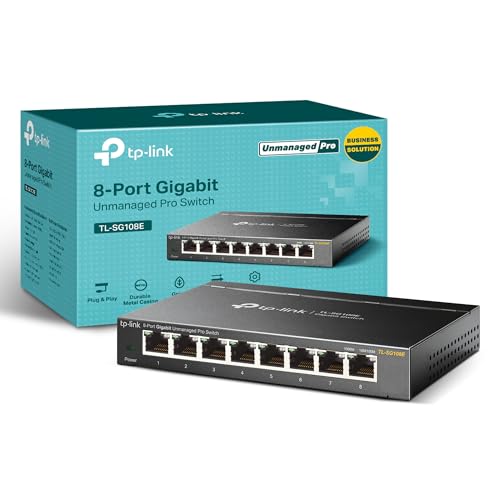
TP-Link 8 Port Gigabit Switch | Easy Smart Managed | Plug & Play | Desktop/Wall-Mount | Sturdy Metal w/ Shielded Ports | Support QoS, Vlan, IGMP and LAG (TL-SG108E)
𝟴 𝗚𝗶𝗴𝗮𝗯𝗶𝘁 𝗘𝘁𝗵𝗲𝗿𝗻𝗲𝘁 𝗣𝗼𝗿𝘁𝘀: expand your network with 8 high-speed ethernet ports
As an affiliate, we earn on qualifying purchases.
As an affiliate, we earn on qualifying purchases.