
📊 Full opportunity report: The Essential Role Of Attention Scores In K-12 School Software Decisions on IdeaNavigator AI — validation score, market gap, and execution plan.

Get business pricing on tech for your team
- Business-only prices and quantity discounts
- Tax-exempt purchasing
- Multiple users, one account, clear invoices
TL;DR
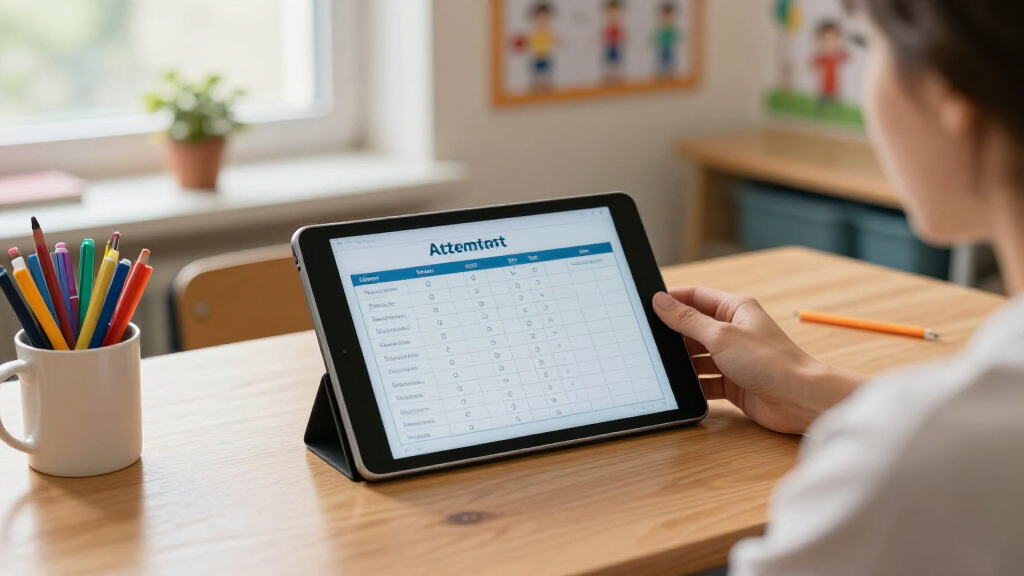
District administrators are beginning to use cumulative attention scores to evaluate school software portfolios. This approach aims to address the unmeasured, cumulative attention load students experience from multiple apps, influencing procurement decisions. The method is still in pilot stages but promises a more comprehensive view of student engagement and distraction.
District administrators are increasingly adopting a new metric—cumulative attention scores—to evaluate the total attention burden of school software portfolios, aiming to improve procurement decisions and better support student well-being. This development responds to rising concerns about student screen time and the cumulative effects of multiple apps, moving beyond traditional per-app ratings to a comprehensive, portfolio-level assessment.
The concept of cumulative attention-burden scores is designed to quantify the total attention load students face when using multiple classroom apps throughout a school day. While individual apps may pass review processes based on their features, their combined effects—such as autoplay functions, streaks, notifications, and variable rewards—create an always-on attention load that is difficult to measure and manage.
This approach is prompted by recent policy shifts, including phone bans and lawsuits over excessive screen time, which have pushed attention issues onto school board agendas. As a result, district leaders now seek a defensible, portfolio-level metric that can inform procurement and app deployment decisions at scale.
The proposed system involves ingesting a district’s entire app portfolio, extracting per-app ratings, and layering a model of autoplay, streaks, notifications, and reward mechanics across a typical student day. The output is a comprehensive score and a board-ready report that can guide procurement gates and app selection, aiming to reduce unnecessary attention burdens.
Initial validation involves scoring three districts’ existing portfolios and presenting findings to their school boards. The goal is to determine whether this report influences procurement decisions within two quarters, establishing the metric’s practical value in real-world settings.
Why Attention Scores Transform School Software Evaluation
The adoption of attention scores represents a significant shift in how districts evaluate educational technology. Instead of focusing solely on app features or compliance, administrators can now consider the total cognitive load imposed on students, which may impact learning, mental health, and overall well-being. This metric provides a more holistic view of student engagement, helping districts avoid inadvertently increasing distraction or fatigue through poorly designed or overly stimulating apps. As districts face increasing pressure to address screen time concerns, this approach offers a defensible, data-driven method to make better-informed decisions, potentially leading to healthier, more balanced digital environments for students.
student attention monitoring software
As an affiliate, we earn on qualifying purchases.
As an affiliate, we earn on qualifying purchases.
Background of Attention Measurement in EdTech Procurement
Traditional app reviews in K-12 education focus on compliance, privacy, and basic functionality, with limited consideration of how multiple apps interact to affect student attention. Recent policy developments, including legal actions against excessive screen time and school bans on smartphones, have heightened awareness of the need for comprehensive attention management strategies.
In response, researchers and edtech developers have begun exploring metrics that capture the cumulative attention load students experience. The idea is to move beyond isolated app ratings and develop a portfolio-level assessment that accounts for the stacking effects of features like autoplay, streaks, and notifications, which can create an always-on attention trap.
This initiative is still in early stages, with pilot programs testing the feasibility of such scores in real districts. The goal is to establish a standardized, board-ready report that can influence procurement and app deployment policies, ultimately aiming to improve student outcomes and reduce distraction.
As an affiliate, we earn on qualifying purchases.
Uncertainties in Implementation and Impact
It is still unclear how accurately the cumulative attention score can quantify the real-world attention load students experience, given the variability in app usage and student behaviors. The pilot programs are ongoing, and initial results have not yet been published or peer-reviewed. Additionally, the long-term impact of adopting this metric on procurement decisions and student well-being remains to be seen. There are questions about how districts will integrate these scores into existing evaluation frameworks and whether the scores will be accepted universally across different districts and states.
As an affiliate, we earn on qualifying purchases.
Next Steps for Validating and Scaling Attention Scores
Over the coming two quarters, the pilot districts will finalize scoring of their app portfolios and present findings to their school boards. The focus will be on assessing whether these reports influence procurement decisions and whether the scores correlate with reductions in student distraction or improvements in focus. If successful, the approach could be scaled to additional districts and incorporated into standard procurement practices. Researchers and developers will also refine the scoring model, aiming to improve its accuracy and usability, with broader validation expected in the next 12 months.
student screen time management tools
As an affiliate, we earn on qualifying purchases.
As an affiliate, we earn on qualifying purchases.
Key Questions
How are cumulative attention scores calculated?
The scores are derived by ingesting a district’s app portfolio, extracting per-app ratings, and applying a model that layers features like autoplay, streaks, notifications, and variable rewards across a typical student day. The output is a single composite score representing the total attention load.
Will attention scores replace traditional app reviews?
Not immediately. They are intended to supplement existing review processes by providing a portfolio-level view of attention load, helping districts make more informed procurement decisions.
Are these scores applicable to all districts?
The approach is currently in pilot testing with select districts. Its applicability and effectiveness across different districts with varying app portfolios and student populations are still being evaluated.
What are the benefits of using attention scores?
The scores can help districts reduce unnecessary distraction, improve student focus, and make more defensible procurement choices based on a comprehensive understanding of the cumulative attention load.
When will this approach be widely adopted?
If pilot results are positive, broader adoption could occur within the next 12 to 24 months, depending on validation outcomes and stakeholder acceptance.
Source: IdeaNavigator AI
Halloween Picks
halloween
As an affiliate, we earn on qualifying purchases.