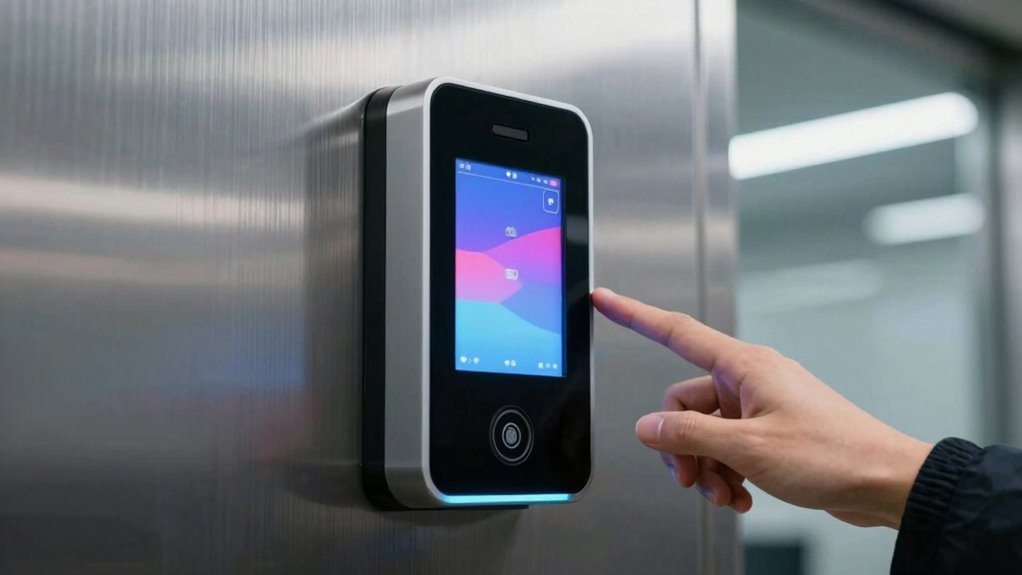

Biometric access control terminals raise new questions because your biometric data is highly personal and can’t be easily changed if compromised. You must consider security risks like hacking or spoofing and guarantee proper protection of sensitive information. Ethical and regulatory issues also come into play, such as obtaining consent and maintaining transparency. As technology advances, staying aware of these ongoing concerns helps you understand the full implications—if you keep exploring, you’ll discover even more.

Get business pricing on tech for your team
- Business-only prices and quantity discounts
- Tax-exempt purchasing
- Multiple users, one account, clear invoices
Key Takeaways
- Biometric data privacy concerns challenge responsible handling and potential misuse or theft of highly personal information.
- Security vulnerabilities, such as spoofing and system breaches, raise doubts about system reliability and trustworthiness.
- Ethical issues surrounding consent and transparency complicate compliance with regulations and public acceptance.
- Dependability issues, including false rejections and hardware failures, impact security effectiveness and user experience.
- Rapid technological advancements necessitate continuous vigilance and updates to address emerging threats and vulnerabilities.
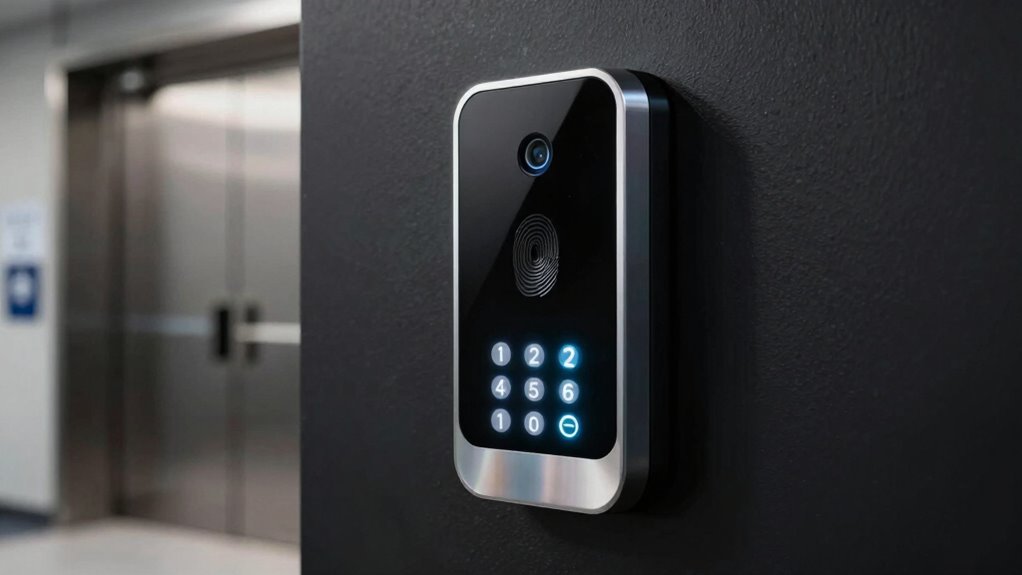
Are you looking for a more secure way to control access to sensitive areas? Biometric access control terminals seem like an ideal solution, offering a high level of security by relying on unique physical traits such as fingerprints, facial recognition, or iris scans. However, as you consider implementing this technology, you should also be aware of the new questions it raises. Privacy concerns top the list, as biometric data is highly personal. Unlike passwords or access cards, biometric identifiers cannot be changed if compromised. If hackers or malicious actors gain access to this data, the consequences could be severe, including identity theft or unauthorized surveillance. This leads you to wonder how companies store and protect such sensitive information and whether they follow strict data privacy regulations. You might also question if biometric systems are truly secure or if they can be fooled by sophisticated spoofing techniques. Despite advances in technology, no system is entirely infallible, and breaches can still occur, raising doubts about the reliability of biometric solutions. Additionally, the security of biometric systems depends heavily on robust encryption and storage practices, which are crucial in preventing unauthorized access. Beyond privacy, technological reliability plays a *vital* role in your decision-making process. Biometric systems depend heavily on hardware and software working flawlessly under diverse conditions. Factors like lighting, dirt, or skin condition can interfere with fingerprint scanners or facial recognition cameras, leading to false rejections or acceptances. If a system fails to recognize authorized personnel or grants access to unauthorized individuals, it compromises the very security it’s meant to *guarantee*. You might also worry about system outages or malfunctions that could lock out employees or visitors, disrupting operations. These concerns highlight that biometric access control isn’t just about security; it’s also about dependability. You need to evaluate whether the technology has a proven track record of consistent performance in your environment. Furthermore, biometric data management practices are critical in ensuring both security and privacy for users. In addition, ethical questions come into play. For example, how transparent are organizations about their data collection practices? Do they obtain proper consent from individuals before capturing their biometric data? These considerations remind you that implementing biometric access control involves more than just installing hardware; it requires careful planning regarding data privacy, security protocols, and ethical standards. As you weigh the benefits of streamlined access and enhanced security, you must also recognize the risks and responsibilities tied to this technology. Ultimately, biometric access control terminals offer promising advantages, but they also introduce complex issues that demand thorough evaluation before adoption. Understanding the importance of biometric data privacy can help guide responsible implementation and protect individual rights. Additionally, ongoing advancements in biometric technology aim to address some of these vulnerabilities, but vigilance remains essential.
biometric access control terminal
As an affiliate, we earn on qualifying purchases.
As an affiliate, we earn on qualifying purchases.
Frequently Asked Questions
How Secure Are Biometric Data Storage Methods in Access Control Systems?
Biometric data storage methods can be quite secure if they use strong data encryption, protecting your information from unauthorized access. However, privacy concerns remain because if the system’s security is breached, sensitive biometric data could be exposed or misused. You should guarantee the access control system employs robust encryption techniques and complies with privacy regulations to safeguard your data effectively. Regular updates and security audits also help maintain their integrity.
Can Biometric Access Control Systems Be Hacked Remotely?
Imagine your biometric system as a digital fortress, but like any fortress, it’s vulnerable if not properly guarded. Yes, it can be hacked remotely if security measures are weak or outdated. This raises privacy concerns and emphasizes the need for clear user consent and robust encryption. You must stay vigilant, update software regularly, and guarantee access controls are tight to protect sensitive biometric data from malicious remote attacks.
What Are the Costs Associated With Implementing Biometric Terminals?
Implementing biometric terminals costs vary based on the technology and scale, typically including hardware, software, and installation. You need to evaluate expenses related to ensuring user privacy through secure data encryption, which can increase costs. Additionally, ongoing maintenance and updates are essential. While initial investments might seem high, the enhanced security and streamlined access control often justify the costs, especially when safeguarding sensitive information.
How Do Biometric Systems Perform in Adverse Environmental Conditions?
Biometric systems face a tough challenge, like a swimmer battling rough seas. Their performance in adverse environments depends on environmental durability and sensor sensitivity. High-quality sensors can withstand dust, moisture, and extreme temperatures, maintaining accuracy. However, low-grade sensors may falter, causing false rejections or acceptances. To guarantee reliability, choose systems specifically designed for harsh conditions, so your security remains steadfast no matter what nature throws at it.
Are There Legal Restrictions on Biometric Data Collection in Different Regions?
Yes, there are legal restrictions on biometric data collection across different regions. You need to take into account regional privacy laws and data sovereignty, which dictate how biometric information can be collected, stored, and used. In some areas, strict regulations require explicit consent and secure handling of data. Familiarize yourself with these rules to ensure compliance, prevent legal issues, and respect individuals’ privacy rights effectively.
fingerprint scanner security device
As an affiliate, we earn on qualifying purchases.
As an affiliate, we earn on qualifying purchases.
Conclusion
So, as you step into the world of biometric access control, stay smart and skeptical. While these terminals tempt with tempting tech and tailored security, they also pose perplexing privacy problems and potential pitfalls. Don’t dismiss the doubts — dive deep, deliberate diligently, and decide wisely. Balancing benefits with boundaries is essential. By being vigilant and vigilant, you can harness high-tech harmony without harboring harmful hazards. Ultimately, your choices chart your secure, savvy space.
facial recognition access system
As an affiliate, we earn on qualifying purchases.
As an affiliate, we earn on qualifying purchases.
As an affiliate, we earn on qualifying purchases.
Halloween Picks
halloween
As an affiliate, we earn on qualifying purchases.