
📊 Full opportunity report: Home Boxing And Computer Vision: Tracking Punches By Round on IdeaNavigator AI — validation score, market gap, and execution plan.

Get business pricing on tech for your team
- Business-only prices and quantity discounts
- Tax-exempt purchasing
- Multiple users, one account, clear invoices
TL;DR
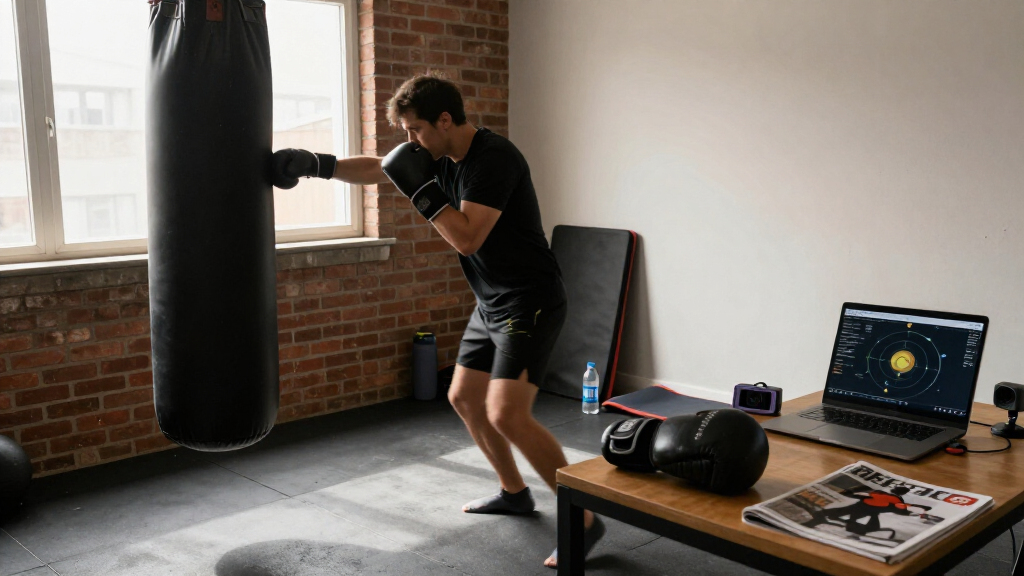
IdeaNavigator AI has outlined a proposed app that uses a phone camera to score home boxing rounds, count punch types and flag dropped guards. The concept has not been shown to work in a tested product; accuracy, user retention and subscription demand remain open questions.
IdeaNavigator AI has proposed a home boxing app that would use a phone camera to track punches by type, estimate speed and flag guard drops during scored rounds. The concept targets people training without a coach or gym, but no working product, accuracy results or retention data are reported, so the proposal remains an unvalidated product idea rather than a confirmed technology launch.
The suggested first version would let users prop up a phone, follow a round and receive feedback on punch counts by type, speed and whether their guard drops. It would also offer coached combinations in real time and record benchmarks across sessions, giving users a way to compare training over time. These are proposed features; the concept does not specify which phone models, camera views or boxing movements the system can reliably recognize.
The proposed business model is a free scored-round tier alongside a consumer subscription for coached combinations or other paid features. IdeaNavigator AI recommends a soft launch to test whether users return by week four and whether they convert to the coached-combo tier. It supplies no results, pricing, user numbers or defined comparison benchmark for that test.
The idea rests on the claim that phone-camera pose tracking can detect punch types, speed and guard position in real time. No technical demonstration or independent evaluation accompanies that claim. In particular, the proposal does not explain how it would distinguish a punch from other arm movement, estimate speed from video, or deliver useful form feedback when a user’s position, lighting or camera placement changes.
A Feedback Loop for Solo Rounds
For someone boxing alone at home, a session can be difficult to evaluate: there may be no coach to count punches, watch defense or point out technique changes. A reliable camera-based tracker could add measurable round-by-round feedback without requiring dedicated wearables or gym equipment, and session benchmarks could help users see whether their training is changing.
That benefit depends on feedback being accurate and understandable. Incorrect punch counts or false warnings about a dropped guard could frustrate users or reinforce poor habits. A proposed score is not a substitute for a coach’s assessment, and the concept provides no evidence that its system can judge technique safely or consistently. The practical question is not only whether a phone can detect movement, but whether the resulting feedback is dependable enough to shape training.
The retention test also matters to the business case. The proposal identifies fading motivation as the problem it aims to address, then suggests measuring week-four retention. But no benchmark source or target is specified. Until a test reports how many people keep using the app and whether they pay for additional coaching features, the commercial opportunity remains a hypothesis.
As an affiliate, we earn on qualifying purchases.
From Shadowboxing to Scored Sessions
The proposal focuses narrowly on home fitness and combat sports apps, rather than on replacing boxing gyms or developing equipment for competitive judging. Its intended user is someone shadowboxing without a coach. The product premise is that camera-based tracking could turn an otherwise unscored workout into a session with counts, prompts and records of progress.
IdeaNavigator AI presents the idea as a first-win workflow: start with scored rounds for one buyer group, then check repeat use and conversion before expanding the product. The outline does not cite prior trials, existing app performance or a market-size estimate. Nor does it name a development team or provide a release timeline. That makes the proposed soft launch and its measurements the next evidence needed to judge whether the concept solves a recurring problem.
As an affiliate, we earn on qualifying purchases.
Tracking Accuracy Still Unproven
No test data are provided for punch recognition, speed estimates or guard-drop detection. It is also unclear what counts as a successful technique signal, how the app would handle different camera angles and lighting, or whether real-time feedback would work across varied users and training spaces.
The proposal does not identify a product, developer, launch date, subscription price or completed user study. It also gives no retention figures or conversion results. Until those details are available, readers cannot assess whether the proposed functions are technically reliable, whether the feedback improves training, or whether users will pay for them.
As an affiliate, we earn on qualifying purchases.
A Soft Launch Would Test Demand
The next step set out in the proposal is a soft launch of scored rounds, followed by measurement of week-four retention and conversion to coached combinations. No date or launch announcement is included, so it is not clear whether development or testing has begun.
Any meaningful evaluation would need to report the tested features, the number and type of users, the comparison used for retention, and how recognition accuracy was checked. Until such results are published, the app’s performance and business prospects remain unverified.
Source: IdeaNavigator AI
As an affiliate, we earn on qualifying purchases.
Key Questions
Has a home boxing punch-tracking app launched?
The information available describes a product proposal, not a confirmed launch. It provides no product name, release date or evidence that user testing has begun.
What would the proposed app track?
The proposed features include punch counts by type, estimated speed, guard drops and progress benchmarks across sessions, along with guided combinations and real-time feedback.
How would the app detect punches?
The concept says it would use phone-camera pose tracking. It does not provide technical details or accuracy results showing how reliably that approach can identify punches and defensive position.
Would the app replace a boxing coach?
No evidence is given that it could replace a coach. The proposal describes automated session metrics and feedback, but does not establish that these can match a coach’s evaluation of technique.
How would the business model work?
The suggested model combines a free scored-round tier with a paid consumer subscription, potentially for coached combinations. Pricing and subscription demand have not been reported.
Source: IdeaNavigator AI
Fall Picks
fall essentials
As an affiliate, we earn on qualifying purchases.